
Wools of New Zealand Calls for India FTA to Boost Farmer Returns
Wools of New Zealand is joining calls for New Zealand to urgently ratify a Free Trade Agreement with India.




 increase font size
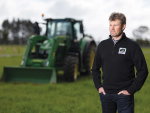
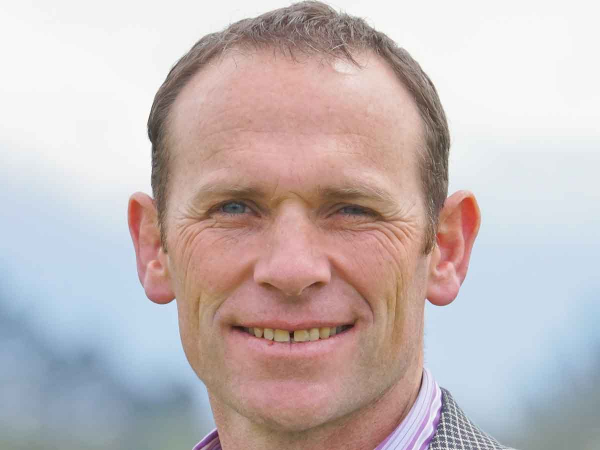 James Parsons.
Former Beef+Lamb chair James Parsons has been elected as chair of Wools of New Zealand (WNZ).
Parsons – is a beef and sheep farmer located in Northland and well known for his past chairmanship of Beef & Lamb NZ and The New Zealand Meat Board. He joined the WNZ Board in November 2019 after being elected by growers at the 2019 AGM.
Interim chair Rebecca Smith created the vacancy when she stepped down from her role of chair but remains as a director.
“Strong wool prices have been through a period of decline for the last two decades and COVID-19 has seen prices crash to an all-time low,” Parsons says. “Yet, WNZ research shows that the price that the consumer pays has not changed, and woolen products are still considered premium products by many.”
He says the current state of the industry is unsustainable at current price levels.
“WNZ is well placed with international representatives and strong partnerships in market.”
The board of Wools New Zealand comprises James Parsons as chair, Craig Hickson, Ian Marshall and Rebecca Smith. Directors who have vacated their positions this year include Mark Shadbolt and Lucy Griffiths.
Wools of New Zealand is joining calls for New Zealand to urgently ratify a Free Trade Agreement with India.
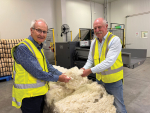
Keratin biomaterials company Keraplast and Wools of New Zealand have signed a new superpremium wool contract which is said to deliver a boost to wool growers.
OPINION: Wool farmers believe the future of strong wool still holds promise.
Wool farmers are hoping that efforts by two leading companies to develop a more efficient supply chain would eventually boost farmgate returns.
Wools of New Zealand has signed a partnership agreement with a leading Chinese manufacturer as the company looks to further grow demand in China and globally.


National’s pledge to introduce 19 new national standards shows the party is serious about getting Wellington out of farming, Federated Farmers says.
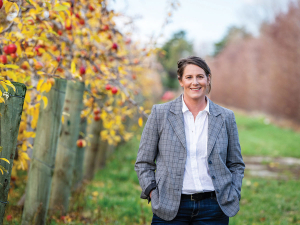
The National Party’s policies to make it easier to grow fresh vegetables, secure reliable water and energy and simplify farm planning are practical changes that will give growers the confidence to invest, according to Horticulture New Zealand (HortNZ).
Fonterra Co-operative Group chief financial officer Andrew Murray has resigned to take up a role outside the dairy giant.
A major move is about to get underway to improve the quality and viability of dairy beef and cattle in NZ.
Veterinarians say changes to the code of welfare for dairy cattle provides a positive foundation for improved cattle welfare across the country.
Today, 15 October, is the International Day of Rural Women, which recognises rural women’s contribution to farming, communities and the environment.




OPINION: The same mainstream media muppets that brought you Jacindamania in 2017 have been flat out pimping for the Opportunities…
OPINION: Your old mate reckons the atrocious way farmers in the UK are treated by their lords and masters in…




