
Kiwifruit Growers Prepare for El Niño, Stay Optimistic
Kiwifruit growers are watchful but remain optimistic as concerns around the potential effects of the El Niño weather pattern this season.




 increase font size
 MPI director general Ray Smith.
The Ministry for Primary Industries says, in the space of a week, it’s had over 120 applications for assistance from the special drought recovery fund.
The fund offers farmers in areas badly hit by the drought to access $5,000 worth of specialist advisory services to help them get their businesses back on track for next season. The fund, which is administered by MPI, is to help farmers and horticulturalists to get quality advice on such issues as strategic planning, technical advice on soil and pastures and sustainable management techniques.
MPI director general Ray Smith says dealing with the drought is incredibly challenging for many farmers and while assistance from the fund won’t help farmers in the short term it will help get them back on their feet for next season.
Smith says the Rural Support Trusts have been doing a great job and in the last week the Hawkes Bay trust fielded more than 160 calls from farmers.
“Hopefully at Level 2 Alert, there will be an opportunity for the trust to get out and check if other farmers are facing stress,” he told Rural News.
Smith says operating within Level 2 is getting back to a more normal environment which will be positive for rural communities. He says it will see rural supply stores open, sale yards opening and stores such as butchers, fruit and vegetable stores and fish shops also open for business.
But he says these businesses will have to meet the strict protocols that allow them to open. These include maintaining hygiene standards, physical distancing, keeping groups to a maximum of 10 people and having a system of recording anyone who comes into a business.
“Meat processing plants are back to normal and some are operating at 100% capacity,” Smith adds. “I think the meat industry has done an outstanding job, along with the packhouses, dairy companies and all the other groups that have worked during lockdowns four and three.”
Under alert level 2, MPI plans to phase-in the return of staff to offices around the country. Smith says initially about 30% of staff will be back in their offices – with the remainder still working from home.
Kiwifruit growers are watchful but remain optimistic as concerns around the potential effects of the El Niño weather pattern this season.

Testing confirms H5 bird flu in a single northern giant petrel, found dead on a remote Cape Palliser beach in the Wairarapa, says Dr Mary van Andel, the Ministry for Primary Industries' (MPI) Chief Veterinary Officer.
The apple sector is working with the Government to unlock access to two key markets that could bring millions in revenue for apple growers.
With forecasters advising El Niño conditions will develop through winter and strengthen into spring and summer, Ballance Agri-Nutrients is encouraging farmers and growers to think ahead about nutrient planning and be prepared to work around challenging weather conditions.
A Palmerston North shearer has been sentenced to six months' community detention and 12 months' supervision after being found to have physically abused three lambs while shearing them.


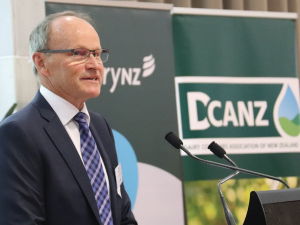
Dairy processors are ready to further boost New Zealand’s export earnings but want the incoming government to match their ambition with good policy.
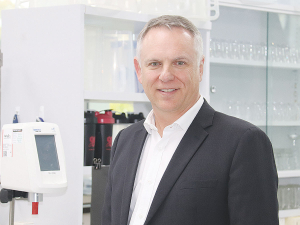
Massey University is best placed to solve the “problems” facing the dairy industry, says vice chancellor, Pierre Venter.
Synlait's longest serving employee – a man who joined the Canterbury-based milk processor even before it began processing milk – is now its newest executive.
A dairy industry leader believes eradicating the common and costly disease, Bovine Viral Diarrhoea (BVD) is within reach.
A farmgate milk price of $10/kgMS this season is firming up as milk powder prices soar and the New Zealand dollar weakens.
Federated Farmers has welcomed new rural policies released by ACT, saying they align closely with its own election priorities.




OPINION: The same mainstream media muppets that brought you Jacindamania in 2017 have been flat out pimping for the Opportunities…
OPINION: Your old mate reckons the atrocious way farmers in the UK are treated by their lords and masters in…




