NZ Beef Mince Now Over $24/kg as Export Demand Stays Strong
New Zealand consumers are paying more for beef mince than ever before, with the average retail price now sitting above $24 per kilogram, according to Rabobank.




 increase font size
 Chicken burger from McDonald's.
Kiwis eating chicken meals from McDonalds need not worry about overuse of antimicrobials in poultry.
According to the New Zealand Veterinary Association, vets play a key role in maintaining careful use of antimicrobials. They were responding to the fast food chain saying, in the US, that it would only source animals raised without antibiotics that are important to human health.
The 14,000-outlet chain has bowed to lengthy campaigns by activists concerned that the over-use of antibiotics will lead to treatment-resistant superbugs.
The Washington-based Natural Resources Defense Council says between 6.8 million and 14.5 million kilograms of antibiotics are sold for use in livestock annually. About 80% of the antibiotics used in the US are given to farm animals.
In New Zealand, antibiotics used in animals are regulated by the Ministry for Primary Industries and are registered for use for the treatment of animal disease.
The NZVA says antibiotics play a vital role in keeping animals healthy and protecting their welfare. In pets and livestock these products treat and control infections that threaten life and productivity, benefitting the animals receiving treatment and the people looking after them.
“New Zealand is different from some overseas countries in that [it does not allow the use of] antibiotics for the purpose of growth promotion.
“Access to antibiotics is restricted in New Zealand; they are only available after veterinary consultation and prescription.”
New Zealand Veterinary Association Anti-microbial Resistance Working Group chair Dr Dennis Scott says antimicrobial resistance is a key priority for the NZVA.
“We are working alongside MPI and other industry partners to develop a national strategy to address this global concern.
“We recognise that use of antimicrobial medicines for treating disease in humans and animals has seen major improvements in human and animal health, and in quality of life, for over half a century. They must continue to effectively treat bacterial infections as they are critical in guarding and supporting the health and welfare of humans and animals.
“All veterinarians have a role to play in ensuring the careful use of antimicrobials so that they will remain effective for treating infections.”
McDonald’s restaurants in New Zealand source their chicken from Tegel and Inghams; the produce is the same as any bought in a supermarket.
McDonald’s NZ says the use of antibiotics by the poultry industry in New Zealand is different from other markets such as the US.
“To put this announcement in perspective, in New Zealand, antibiotics of importance to human health are already rarely used when treating livestock. Antibiotics are used only when animals are sick. The animals are assessed by a vet and only receive medication with a prescription,” a spokesman says.
The US National Chicken Council says almost all antibiotics used by farmers and chicken companies are never used by humans.
“The top priority of farmers and chicken companies is to raise healthy chickens, because healthy chickens are directly related to a safe food supply,” council vice president of scientific and regulatory affairs Ashley Peterson says.
New Zealand consumers are paying more for beef mince than ever before, with the average retail price now sitting above $24 per kilogram, according to Rabobank.
Poultry producer Waitoa is launching a new campaign, complete with on-pack QR codes, giving Kiwis the ability to trace their free range chicken back to the farms where it was raised.
Fonterra's Eltham site in Taranaki is stepping up its global impact with an upgrade to its processed cheese production lines, boosting capacity to meet growing international demand.
Feeding more than 1.5 million people a week takes more than quick service, it takes the ongoing work of New Zealand farmers and producers, according to McDonalds.
OPINION: Recently I spent a couple of days on the Macca's site at Fieldays.


Mobile phone coverage and reliability are deteriorating in rural areas, and farming families are bearing the cost, according to a Federated Farmers survey.
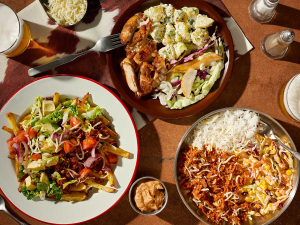
HelloFresh New Zealand has launched a limited-edition Country Cookout Box of Southern-inspired meals, arriving as the 2026/27 rodeo season gets underway.
Beef + Lamb New Zealand Incorporated (BLNZ Inc) is marking 40 years of promoting red meat to New Zealand consumers, citing its taste, family meals and nutritional benefits.
Pāmu has welcomed Taranaki student Paige Burston as its newest First Foundation Scholar, supporting her journey towards a career in agriculture and animal science.
Farmer-owned fertiliser company, Ballance Agri Nutrients is welcoming National’s plan to negotiate security agreements with key supplier countries to protect New Zealand-bound products from export restrictions and greater supply chain certainty.
Carrfields has announced the appointment of Stu Hall to the newly created role of chief operating officer, Carrfields Ltd, reflecting the continued growth of their agribusinesses and the need to ensure the company has the leadership capacity and support in place as it pursues the emerging opportunities ahead.




OPINION: The same mainstream media muppets that brought you Jacindamania in 2017 have been flat out pimping for the Opportunities…
OPINION: Your old mate reckons the atrocious way farmers in the UK are treated by their lords and masters in…