China No Longer Just A Commodity Story - Luxon
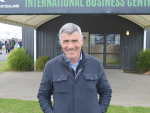
China remains New Zealand’s biggest market, taking $23 billion of our exports, but it’s no longer a commodity story, says Prime Minister Christopher Luxon.
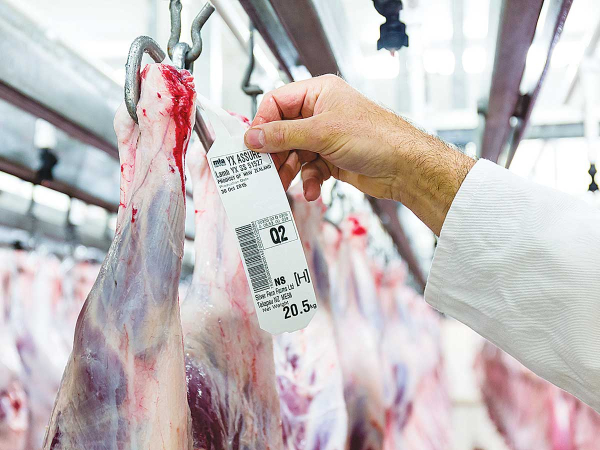
Alliance says China is key to any stability in the lamb market.
"Prices look like they have settled but demand for volume remains subdued as consumption is slow to reach pre-Covid-19 levels. The China ripple effect, compounded by ongoing record volumes out of Australia at levels significantly lower than New Zealand, is continuing to undermine New Zealand prices."
Meanwhile, the company says mutton markets remain weak on the back of low demand from China.
"We are continuing to pursue diversified options into Taiwan, Malaysia, and North America but negative market sentiment remains. Large mutton volumes out of Australia continue to disrupt all markets."
On the venison front, Alliance says that game season negotiations have concluded with prices marginally improved on last season.
"Demand is strong for the key five week production period that covers September-early October shipments. Manufacturing items such as trim remain challenging."
In beef markets, the meat processor and exporter again points to China, where it says there have been fluctuations in wholesale pricing as importers continue to search for value.
"The North American market is stable with prices slightly improving in the last few weeks," Alliance adds. "Importers are more proactive in positioning themselves to purchase volume from New Zealand."
New Zealand's pest problem has reached crisis point, according to Federated Farmers' second National Pests Survey, which shows farmers are spending more money and effort on control — yet pest numbers keep climbing faster than they were two years ago.
Testing confirms H5 bird flu in a single northern giant petrel, found dead on a remote Cape Palliser beach in the Wairarapa, says Dr Mary van Andel, the Ministry for Primary Industries' (MPI) Chief Veterinary Officer.
"What's for dinner?" may sound like a simple question, but for many Kiwi parents, answering it has become a job in itself.
Fifty Eight years ago, on the 16th of August 1968, August Claas, the founder of the harvesting company and father of Helmut Claas, personally presented a Claas Senator combine harvester to Scottish farmer John Steven.
New Zealand consumers are paying more for beef mince than ever before, with the average retail price now sitting above $24 per kilogram, according to Rabobank.
State farmer Pamu has delivered its strongest operating result on record.

OPINION: The same mainstream media muppets that brought you Jacindamania in 2017 have been flat out pimping for the Opportunities…
OPINION: Your old mate reckons the atrocious way farmers in the UK are treated by their lords and masters in…