Vet fund to support recovery
A new initiative to support North Island farmers recovering from flooding and Cyclone Gabrielle with veterinary services receiving $2.6 million from the Ministry for Primary Industries.




 increase font size
 Julie South, VetStaff.
The Veterinary Council of New Zealand (VCNZ) is being urged to reintroduce practical exams that will allow overseas vets to work here.
Julie South of vet recruitment agency VetStaff claims there are "lots of non-registered vets already in NZ but unable to complete their Australasian Veterinary Examination (AVE) because of closed borders".
The practical exams are only available in Australia right now.
"I think it would be pragmatic for the VCNZ to investigate the possibility of reintroducing those exams here again, at least in the short term, to alleviate the waitlist of vets ready to sit their AVE practical exams," she told Rural News.
"The overseas qualified non-NZVIC registered vets I've spoke with say they're prepared to pay extra to sit the exams here because they've already factored in airfares and accommodation to go to Australia.
"Allowing the vets who're already here to sit the exams would, I think, also go a long way to help alleviate the shortage and reduce some of the pressure in-clinic."
South says there was a time when overseas-qualified vets who needed to re-qualify to register in NZ were able to do the practical exams in NZ.
But that stopped because it was uneconomic for the council to facilitate the exams, according to South.
The country is facing an acute shortage of vets and overseas vets prepared to work in rural NZ have struggled to obtain MIQ spots and move here over the past two years.
The VCNZ has stated how it's managing "a number of issues related to the country's shortage of veterinarians".
It is also encouraging vets to keep a close eye on their wellbeing, as the shortage puts increasing pressure on them and other veterinary professionals.
VCNZ chief executive and Registrar Iain McLachlan says the council's response, which is detailed in a recently released statement to all veterinary practices, relfects a pragmatic approach to the current situation.
"We have tackled issues such as professional development and requirements for after-hours services, to assist veterinary teams to adopt new ways of working and look after their own safety and wellbeing, as well as that of their patients and clients," he says.
"We are also launching a campaign to let the public know that while vets may be working differently, high standards of care are being maintained."
A new initiative to support North Island farmers recovering from flooding and Cyclone Gabrielle with veterinary services receiving $2.6 million from the Ministry for Primary Industries.
The Veterinary Council of New Zealand (VCNZ), which regulates veterinarians and sets standards to support responsible antimicrobial use among veterinarians, is in the throes of developing a new strategy to minimize the risk of Antimicrobial resistance (AMR) in New Zealand animals.
A new collaboration effort, named Vet Futures Aotearoa, is seeking to solve the big issues faced by veterinary professionals, including labour shortages.
With canine cough having a resurgence around the country the Veterinary Council of New Zealand (VCNZ) is reminding dog owners to keep an eye out for symptoms.
Scrapping MIQ requirements from next month means vet clinics can plan ahead with certainty, says recruiter Julie South, VetStaff.

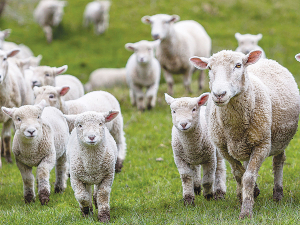
A New Zealand initiative supporting farmers to restore the health of grazing landscapes has received international backing through the Regenerative Fund for Nature, a global collaborative fund supporting regenerative agriculture and the communities that produce natural fibres for the fashion industry.

Combine premium New Zealand products, blend in a family ritual and what do you get? A world-class functional drink.
Entries are now open across eleven regions for the 2027 New Zealand Dairy Industry Awards (NZDIA).
Safer Farms is urging farmers to make sure everyone working on farm has safe, suitable footwear for the job.
The Government is backing work on a community-led water storage scheme that could irrigate up to 11,000 more hectares of the Poverty Bay flats, Agriculture Minister Todd McClay says.
Agri-tech company Herd-i has become a new all-region sponsor of the New Zealand Dairy Industry Awards (NZDIA), the largest nationwide celebration of excellence in the dairy sector.




OPINION: The same mainstream media muppets that brought you Jacindamania in 2017 have been flat out pimping for the Opportunities…
OPINION: Your old mate reckons the atrocious way farmers in the UK are treated by their lords and masters in…




