Teamwork makes antimicrobials work
World antimicrobial resistance (AMR) Awareness Week begins today, and New Zealand Food Safety (NZFS) says you too can do your part.




 increase font size
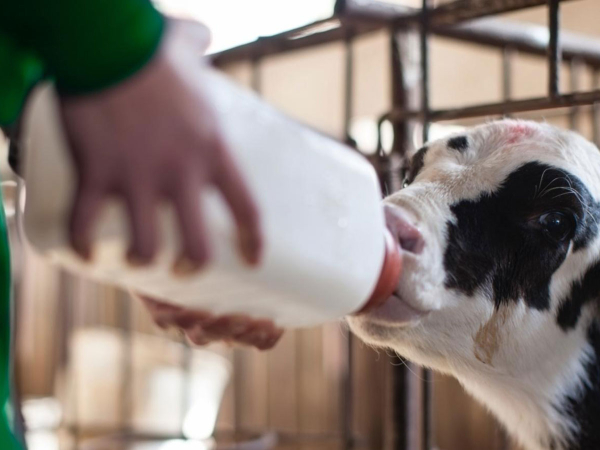 AMR occurs when bacteria, viruses and parasites no longer respond to medicine, making them difficult or impossible to treat.
The Veterinary Council of New Zealand (VCNZ), which regulates veterinarians and sets standards to support responsible antimicrobial use among veterinarians, is in the throes of developing a new strategy to minimize the risk of Antimicrobial resistance (AMR) in New Zealand animals.
Antimicrobial resistance is one of the top 10 global public health threats and occurs when bacteria, viruses and parasites no longer respond to medicine, making them difficult or impossible to treat.
VCNZ chief executive and registrar Iain McLachlan says the strategy will complement initiatives in other parts of the sector, including the New Zealand Veterinary Association (NZVA) and the Ministry for Primary Industries (MPI).
“Veterinarians, as stewards of antimicrobial products and the sole authorizer of their use in animals, have a critical role to play in managing the risks of AMR,” says McLachlan.
“We’re looking forward to getting this work underway and will be consulting right across the sector to ensure a wide range of perspectives are captured,” he says.
A steering group has been established which will review how antibiotics are currently used and antimicrobial stewardship by New Zealand veterinarians.
Members of the group will also interview stakeholders and evaluate AMR strategies. A discussion document summarising the group’s research will be widely consulted on before the strategy is finalised.
World antimicrobial resistance (AMR) Awareness Week begins today, and New Zealand Food Safety (NZFS) says you too can do your part.
The Poultry Industry Association of New Zealand (PIANZ) has won the New Zealand Veterinary Association (NZVA) Antimicrobial Resistance (AMR) Award.
A new initiative to support North Island farmers recovering from flooding and Cyclone Gabrielle with veterinary services receiving $2.6 million from the Ministry for Primary Industries.
Farmers are being urged to work with their veterinarian to keep animals healthy and help prevent drug-resistant infections developing.
The New Zealand Veterinary Association Te Pae Kīrehe (NZVA) is calling on animal owners to work with their veterinarian to keep animals healthy and help prevent drug-resistant infections from developing.


Dairy processors are ready to further boost New Zealand’s export earnings but want the incoming government to match their ambition with good policy.
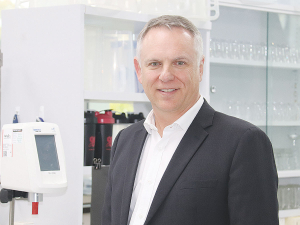
Massey University is best placed to solve the “problems” facing the dairy industry, says vice chancellor, Pierre Venter.
Synlait's longest serving employee – a man who joined the Canterbury-based milk processor even before it began processing milk – is now its newest executive.
A dairy industry leader believes eradicating the common and costly disease, Bovine Viral Diarrhoea (BVD) is within reach.
A farmgate milk price of $10/kgMS this season is firming up as milk powder prices soar and the New Zealand dollar weakens.
Federated Farmers has welcomed new rural policies released by ACT, saying they align closely with its own election priorities.





OPINION: The same mainstream media muppets that brought you Jacindamania in 2017 have been flat out pimping for the Opportunities…
OPINION: Your old mate reckons the atrocious way farmers in the UK are treated by their lords and masters in…




