
New Zealand is the third most obese nation in the OECD, with more than one in three adults classified as obese and rates among Maori exceeding 50%.
New data shows that the economic impact of obesity in NZ is expected to grow 471% to reach $46.3bn by 2060.
Globally more than half of the increase in obesity since 1985 has been driven by rural populations.
Rural New Zealanders and Maori are disproportionately affected, with those in the most deprived areas 1.6 times more likely to be obese than their urban counterparts.
Research into the unique needs of rural New Zealanders living with obesity shows GPs see it as one of the most significant challenges in their communities, but that the health system is not designed to support them.
Dr Kieran Dang, chief medical officer of Moshy, a trans-Tasman network of GPs specialising in the management of obesity through telehealth, agrees that a new healthcare model is urgently needed to respond to rural challenges.
He says the key barriers in rural areas include difficulties in communication between doctors and their patients, structural barriers within the healthcare system, and the impact of broader social and cultural environments.
“Too often, people in regional areas struggle to even see a GP, let alone receive specialist weight-management care. Without new approaches designed for rural realities, residents are left at greater risk of serious conditions down the track,” he says.
Dang says the University of Waikato study showed that GPs were often hesitant to raise weight issues for fear of damaging trust in small communities.
“The GPs surveyed also reported a lack of rurally tailored interventions, limited funding and few specialist services as ongoing obstacles. Many of them also stressed that the realities of rural life, such as long working hours, poor transport options, scarce access to gyms or fresh produce, and the dominance of fast-food outlets are not recognised at a policy level but strongly influence patient outcomes,” he says.
Dang says obesity must be seen as a systemic health challenge rather than a failing of the individual who is overweight.
“Helping patients lose weight doesn’t just change the number on the scale. It reduces their chances of heart attacks, diabetes, arthritis and mental health decline. The benefits are immense, but only if people can actually access the care they need.
“New digital care models such as telehealth allow us to meet patients where they are, regardless of postcode, and provide wraparound programmes that combine medical support, dietary advice and patient coaching. For rural communities, this is often the only practical way to access consistent, high-quality care,” he says.
Dang says a new culturally appropriate model of care, integrating medical, social and cultural support, is essential to reduce inequity, improve outcomes and ease the strain on an already stretched health system.
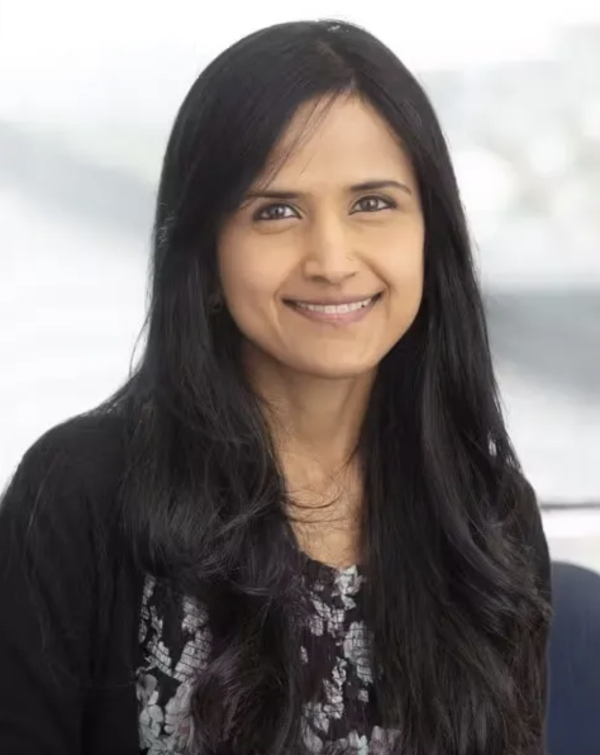
Dr Anasuya Vishvanath, Moshy NZ clinical lead, says rural patients are often waiting up to six weeks to see a GP, leaving many unable to start treatment or maintain motivation.
She says telehealth is not about replacing GPs but supporting them by handling straightforward cases remotely.
“Digital models like Moshy help bridge that gap so patients can start care sooner and stay engaged in their health journey.
“When patients finally get support that works they become more confident and committed, making lasting lifestyle changes.
“The current system was never designed for the scale of obesity we’re seeing. A new digitally enabled model that combines medical, social and cultural care is essential to close those gaps,” she says