Many kiwifruit growers in Bay of Plenty face an uncertain future as they wait to see the final effects of last month’s disastrous frost.
The October 6 weather event, coupled with a very ordinary bud break, is set to seriously reduce the volume of kiwifruit produced in the coming season.
Early estimates from Zespri suggest that on average the frost is likely to result in a reduction of between 10-15% of the 2022/23 Gold and Green crop and 15-25% of the RubyRed crop. But it’s important to note that these figures are averages and in fact some growers have reportedly lost their entire crop, while others have lost part of theirs. Some have escaped almost scot free. The last major frost to hit the industry like this was back in 2002.
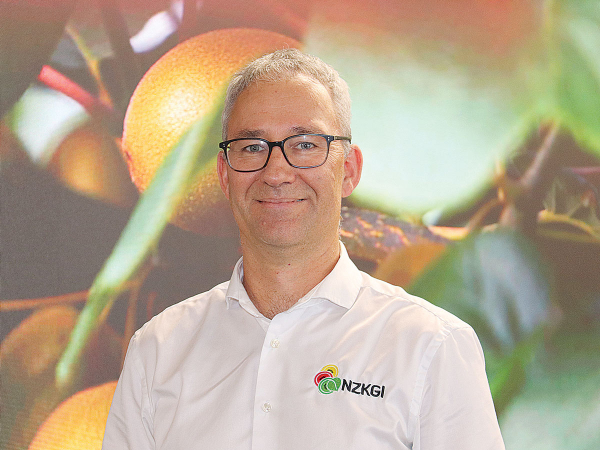
The organisation representing kiwifruit growers, NZKGI, is focusing its attention on providing help for affected growers. NZKGI chief executive, Colin Bond, also owns a kiwifruit orchard and is one of those affected. He estimates that he has lost about half of one block.
“It is not easy to wake up in the morning and look at that damage. I have got three blocks and I am predicting a reduction of about 50 % for next year. I have another job, but it really worries me that there are people who rely on their orchards as their sole source of income. They’re the ones that are going to be doing it tough,” he told Rural News.
Bond says the Waikato and Bay of Plenty have been the hardest hit – especially around Katikati and Opotiki. He says the nature of this particular frost spared no-one – even those with some frost protection systems. This he says included some with frost fans, irrigation systems and covered orchards. Bond says some of these systems may have helped to reduce some of the damage.
NZ’s largest kiwifruit operator Seeka says since the last frost many people made structural changes to their orchards, which meant that their wind machines were ineffectual because they had put structures up.
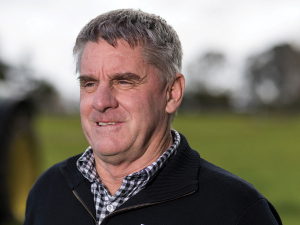
Seeka chief executive Michael Franks told Rural News that in some cases, water systems ran out of water or the pumps failed because it was the first time they had run frost protection in a long time. Franks says Seeka brought in helicopters to counter the frost in its Te Puke orchards.
It’s estimated that it may take a month or more before the full extent of the frost damage is known.
“Our focus now is on pastoral care for our grower members. It is about making sure that people look after themselves. Along with Zespri, we are organising frost field days and that is an opportunity for people to come along and get technical advice. We have also involved the Rural Support Trust and [are] making sure people have the skills to deal with the pressures they face,” he says.
Bond says the focus is on wellness but also the technical component which is about getting good advice to ensure orchardists make good decisions. Finally he says there’s the financial component, which is about talking to your banker, having a budget and plan how they are going to move forward with their business.