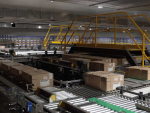
Final call for Alliance’s 2027 Graduate Programme
Alliance is calling for final applications for its 2027 Graduate Programme, with applications closing on Sunday 25 October.




 increase font size
 Alliance chair Murray Taggart says the co-op is now much fitter.
Meat co-op Alliance Group has doubled its operating profit to $20.2 million for the year to September 30, 2017.
Chief executive David Surveyor reports good progress on transforming the co-op: financial performance has improved and $11.4 million has gone to farmer shareholders.
But lot of hard work remains to be done.
“Profit is not at the level we want for a company of this size and we need to capture gains more quickly. Alliance Group needs to run faster,” Surveyor says.
“It’s important we maximise the value we create for New Zealand’s best farmers, and ensure our changes and progress are sustainable by further investment, growing value-add, capturing market value and building organisational capability.”
Net profit before tax and pool distributions was $28m, including extraordinary items relating to a land sale at Makarewa, Southland.
Revenue was up to a record $1.53 billion, and core debt halved to $19m. Shareholders’ equity ratio is 71%, versus 70.6% last year.
Chairman Murray Taggart says Alliance is now a much fitter co-op because of higher efficiency, lower costs and more value-capture from global markets.
“The numbers tell a positive story: new shareholders, a stronger balance sheet, improved profitability and better livestock pricing for our farmers.”
Suppliers are benefiting from firmer international prices for beef, lamb, venison and co-products. “Lamb prices are particularly strong and venison is seen more as a premium product.”
Taggart says the balance sheet now allows the co-op some “exciting initiatives and innovative practices”.
“Alliance has a wide range of short, medium and long-term programmes to gain deeper market penetration and capture more value from existing markets.”
Surveyor says the co-op strives to maximise the price it pays farmers for livestock, and to offer other incentives.
“We have improved our pricing structures… offering more minimum price contracts, which provides greater certainty for farmers who then can have greater confidence when budgeting.”
$15m in loyalty payments went to farmers during the season.
World best practice is key – lifting processing efficiency and improving the operating performance of plants. At least $10m has gone this year into robotic/primal cutting technology and reconfiguring the boning room at Dannevirke; a big upgrade is finished at Lorneville and a big capital spend at Pukeuri.
Product range and market reach are growing in domestic and global markets to lift sales, Surveyor says.
“We are growing our markets and evolving into a more sophisticated player and capturing more value for our farmer shareholders.” The product range is more varied and it includes premium brands.
“A dedicated food service team in the UK targets high-end restaurants and hotels. And we were the first NZ company to dispatch chilled lamb to China as part of a six-month trial.”
Surveyor says the co-op’s safety record has improved.
“Our total recordable injury frequency rate has improved by about 40% year on year.”
Alliance is calling for final applications for its 2027 Graduate Programme, with applications closing on Sunday 25 October.
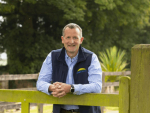
Alliance Group has confirmed that eligible farmer-shareholders who supply and continue to back the business will receive up to $20 million later this year, following the strategic investment partnership with Dawn Meats.
Alliance Group's $16 million programme to install innovative heat pump systems at its Otago and Southland processing plants wins a New Zealand Energy Excellence Award after cutting annual emissions by more than 24,000 tonnes of CO₂e.
Irish meat processor Dawn Meats has acquired Alexander Eyckeler GmbH, a long-standing German customer and partner of Alliance Group, for an undisclosed sum.
Alliance has announced two key appointments within its senior leadership team.


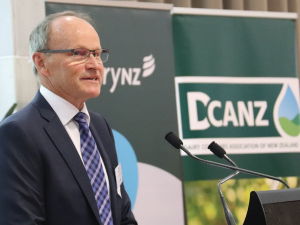
Dairy processors are ready to further boost New Zealand’s export earnings but want the incoming government to match their ambition with good policy.
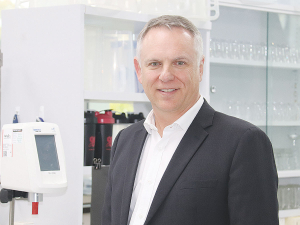
Massey University is best placed to solve the “problems” facing the dairy industry, says vice chancellor, Pierre Venter.
Synlait's longest serving employee – a man who joined the Canterbury-based milk processor even before it began processing milk – is now its newest executive.
A dairy industry leader believes eradicating the common and costly disease, Bovine Viral Diarrhoea (BVD) is within reach.
A farmgate milk price of $10/kgMS this season is firming up as milk powder prices soar and the New Zealand dollar weakens.
Federated Farmers has welcomed new rural policies released by ACT, saying they align closely with its own election priorities.

OPINION: The same mainstream media muppets that brought you Jacindamania in 2017 have been flat out pimping for the Opportunities…
OPINION: Your old mate reckons the atrocious way farmers in the UK are treated by their lords and masters in…




