Monthly dog dosing will close measles gap
Requiring that all dogs on sheep farms be treated every four weeks for sheep measles is a significant step in reducing the impact of the parasite, says Dan Lynch.




 increase font size
 A good example of a conformation photo.
Often people are lost for words when they ring about a dog for sale, so here is a checklist I have compiled to help you before you set foot in the ute to drive off on a wild goose chase.
◦ Was the pup or dog a planned birth or an accident? Sometimes accidents turn out well, but I'd rather see litters conceived after much thought has been given to parents, grandparents and the resulting offspring.
Ask about the parents, grandparents and related siblings: were they good working dogs?
◦ How long have you had the dog? Is the person a dog dealer making a living from trading or someone with a surplus dog?
◦ Why are they selling it; are they giving up farming, too many dogs, etc?
◦ Does the dog work stock alone? Beware of dogs that will only work alongside another.
◦ How does it get on with other dogs? You don't want to introduce an aggressive dog into your team.
◦ How is it with people? There is a difference between wary and scared.
◦ Ask about its nature: is it hard, soft, timid, boisterous; does it take work seriously?
◦ How is it with other animals? Do you want horses chased, chickens plucked, etc?
◦ Did you train it? It is often handy to know how a dog was trained; I'm never afraid to give a dog a refresher lesson if it gets a bit slack on something.
◦ What sort of stock is the dog used to working? Some dogs will work anything well, others are a bit more particular: perhaps they have only ever worked one type of stock; maybe they've had a bad experience with something.
◦ Does it work for voice or whistle? Anyone can speak to a dog but a lot of people can't whistle.
◦ What sort of terrain is it suited to? Some dogs need hills to let off steam; others are more suited to easy country.
◦ How is he after a week or two off? Some dogs don't change and others will have you ripping your hair out.
◦ Has the dog had any injuries or illness? Some things can restrict a dogs working ability.
◦ Are its vaccinations up to date? Don't take home an unvaccinated dog; Parvo is invisible and lives in the ground for years – it can be deadly.
◦ How much distance does the dog have? Some dogs are happy close at hand but won't venture further afield.
◦ How well does it take its commands? If it is learning don't expect much, if they claim it is a mainstay it shouldn't need commands continually repeated.
Ask to view a clear close-up photo showing the complete dog side on. Look how the dog stands and its conformation: does it look strong, well built with no apparent weakness – working dogs lead a hard physical life.
Ask other questions relevant to what you are looking for. Vital: "what are its bad or annoying habits"? Be wary if you are told of none, it is a rare dog that is perfect.
Weigh everything up. Does the person sound genuine, does the dog sound genuine? Beware if the seller sounds vague. Will it suit you and what you do? If everything sounds good view it promptly; good dogs are snapped up quickly.
Important: make sure you get a good demonstration with the dog doing everything you have been told it does; note the relationship between the seller and dog.
Lastly, don't expect a guarantee (I've covered this in a previous column) but do expect to be able to phone the seller if you are having problems.
• Anna Holland is teaching people dog training. For more information www.annaholland.co.nz or Ph. 06) 212 4848 or This email address is being protected from spambots. You need JavaScript enabled to view it.
Requiring that all dogs on sheep farms be treated every four weeks for sheep measles is a significant step in reducing the impact of the parasite, says Dan Lynch.
Requiring that all dogs on sheep farms be treated every four weeks for sheep measles is a significant step in reducing the impact of the parasite, says Dan Lynch.
A UK farmer has smashed a world record – for selling her sheepdog at an astonishing price.
Lambing is looming closer and if you have a young dog that isn’t showing much enthusiasm for sheep take advantage of the window of opportunity this season offers.
Two words I find invaluable when training dogs are “good dog”.


South of the central Hawke’s Bay town of Waipukurau is Taniwha Station – a highly successful 550ha bull beef farming operation.
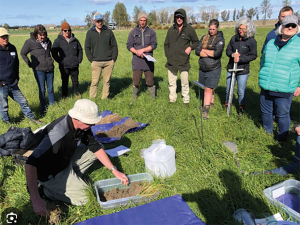
Beef + Lamb NZ funded research has shown that some simple changes to pasture management could help farmers make better use of rainfall and build resilience before dry conditions hit.
OPINION: There could hardly be a more appropriate theme for a conference than the one chosen by the red meat sector - Navigating Volatility.
When Northland leather worker Vernon Suckling started making horse saddles 50 years ago, quad bikes and side-by-side vehicles were unheard of.
Alliance Group has confirmed that eligible farmer-shareholders who supply and continue to back the business will receive up to $20 million later this year, following the strategic investment partnership with Dawn Meats.
With a general election under five weeks away, Rural News is asking major political parties about their policies and positions on key issues facing the primary sector. We will run their responses to each question over the next four weeks. The ACT Party and the Greens didn't respond in time.





OPINION: The same mainstream media muppets that brought you Jacindamania in 2017 have been flat out pimping for the Opportunities…
OPINION: Your old mate reckons the atrocious way farmers in the UK are treated by their lords and masters in…




