New animal welfare regulations come into effect on 9 May. These will affect many common procedures carried out on farms, such as tall docking and treatment of bearings.
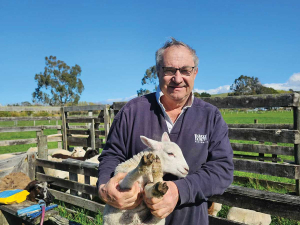
Beef + Lamb New Zealand's senior advisor, biosecurity and animal welfare, Will Halliday, says the Significant Surgical Procedures regulations cover a range of procedures undertaken on animals - from specialist veterinary-only operations to routine on-farm procedures.
Bearings
Under the regulations, a bearing in a sheep may be treated by any competent person with the appropriate knowledge, experience, and equipment to do so. This includes treatment of a complete prolapse of the uterus.
Halliday says treatment of a bearing in a cow is a more difficult procedure, and this is reflected in the regulations.
"A competent person may replace a vaginal prolapse in a cattle beat provided the animal is under the influence of pain relief provided by a veterinarian."
He says failure to comply can mean a fine of up to $3,000 for an individual and $15,000 for a body corporate.
"Treatment of a prolapsed uterus in a cattle beast can only be undertaken by a veterinarian."
Tail-docking
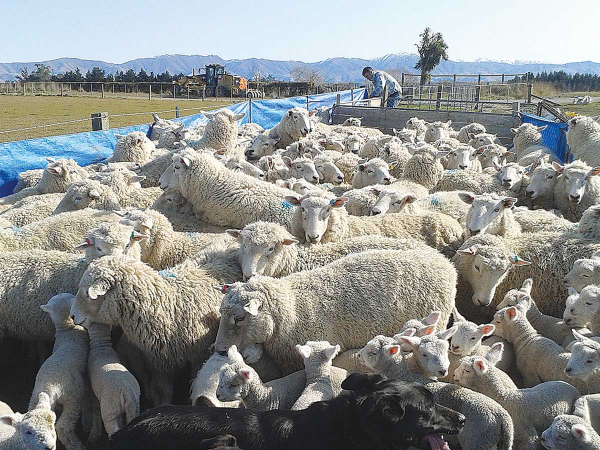
The new regulations stipulate that lambs under the age of six months can be docked by a competent person using eithter a hot iron or rubber ring.
No other methods of tail docking are permitted. Failure to comply can mean a fine of up to $1,500.
"There is also a new requirement that the length of the docked tail must be no shorter than the end of the caudal fold - the fold of skin that runs from the underside of the tail to either side of the anus," Halliday explains.
He says the new regulations brings New Zealand's rules into line with those of our major trading partners, which require the docked tail to entirely cover the vulva in ewe lambs and an equivalent length in males.
"Failure to comply can mean an infringement fee of $500, with fines on coviction for repeat offences of up to $1,500 for an individual and $7,500 for a body corporate. Tail length will be assessed at the slaughter plant."
docking lambs tails which are older than six months is now a veterinary-only procedure.