
Lanaco and Blueair Launch World-First NZ Wool Air Filter
New Zealand wool is reaching new heights as air filtration companies move away from synthetic products to biodegradable alternatives.




 increase font size
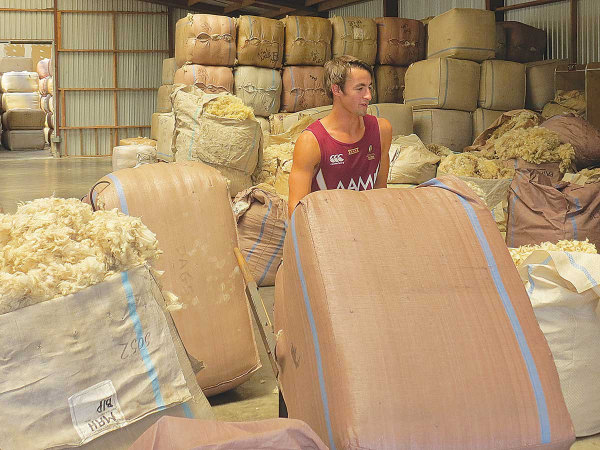 Bremworth claims its rebranding shows its recommitment to focus on 100% pure New Zealand wool.
Following its announcement earlier this year of quitting synthetics and only using 100% NZ wool, carpet manufacturer Cavalier Bremworth has now also changed its name.
In a back to the future move, the 60-year-old company is returning to its original moniker Bremworth.
“At the centre of the new brand is the focus on natural fibre design and innovation to make home interiors and our planet, healthier and more sustainable,” explains chief executive Paul Alston.
“A key pillar of the company’s long-term vision to be a global leader in designing and creating desirable, high performing, safe and sustainable interior products, is its recommitment to focus on 100% pure New Zealand wool.”
In July, the company announced it was exiting the synthetic carpet market – a move that will reduce its use of imported synthetic fibre by 2.5 million kilograms a year.
Alston says the immediate focus is on introducing new products such as its recently released felted wool carpet and promoting the “true worth” of wool and all-natural fibres.
“We are also investing in R&D, pushing the limits of what wool can do and looking at how we can innovate nature’s miracle fibre into a next-generation material. We are excited about the future and our change for good,” he adds.
“Going all-in on wool is the right move for our business, our customers, our local communities and the planet. Wool is durable, safe, natural, renewable and proudly produced in New Zealand. Experience shows that, for design, innovation and performance on the floor, you can’t beat wool, particularly New Zealand wool.”
Altson claims that since the July announcement that it was exiting the synthetic carpet market and returning to wool, it had been “blown away” by the positive feedback from retailers, customers and the rural sector.
“We’ve received fantastic support from the wider industry – with developers, designers and architects just as excited as we are about the direction the company is heading in.”
Meanwhile, Cavalier chairman George Adams says the company has taken the first few steps towards a natural, more sustainable future.
“Being authentic is important to us and our transformation runs much deeper than simply exiting synthetic carpet production,” he says.
“It’s about becoming transformative thinkers, being united in our beliefs, introducing disruptive innovation, creating new product categories and incorporating sustainability throughout our design and manufacturing process.”
New Zealand wool is reaching new heights as air filtration companies move away from synthetic products to biodegradable alternatives.
Will a stronger, more coordinated voice help rebuild confidence and improve returns in the wool sector?
OPINION: Confidence in the wool sector is rebounding as prices hit levels not seen in more than 15 years.
The recently signed free trade agreement with India is an invitation to strengthen relationships between the New Zealand and Indian strong wool industries, says Wool Impact chief executive Andy Caughey.
Strong competition and tightening supply have seen wool reach its highest prices paid at auction since 2011.


Decades piloting planes has ensured vet and farmer David Hayes is focused on safety. So, after a serious accident while welding on farm, he is sharing his experience so others can learn from it.

Canterbury milk processor, Synlait Milk has confirmed Leon Fung as its chief executive officer.
OPINION: Making it easier to collect rainwater and use it to grow crops and livestock is a no brainer.
As part of its Election 2026 coverage, Rural News asked political parties how they would help pull the arable sector out of the doldrums. Here's what they said:
Farmers are being encouraged to rethink how they manage waste on farm with the launch of ruralwastesorted.co.nz, a new website bringing together practical tips, real farmer experiences and resources.
New Zealand Winegrowers (NZW) is celebrating the India-New Zealand Free Trade Agreement (FTA) coming into force today, bringing New Zealand wine improved access to one of the world’s fastest-growing economies.



OPINION: The same mainstream media muppets that brought you Jacindamania in 2017 have been flat out pimping for the Opportunities…
OPINION: Your old mate reckons the atrocious way farmers in the UK are treated by their lords and masters in…




