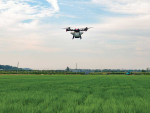
NZ Cuts Drone Red Tape for Farmers — Aviation Pushes Back
The agricultural aviation industry has reacted angrily to government plans to cut regulations to make it easier for farmers to buy drones and use them on their farms.




 increase font size

LINCOLN AGRITECH Ltd is celebrating 50 years of researching and encouraging agricultural engineering.
The company, approved by the government in 1963, was founded in 1964 as New Zealand Agricultural Engineering Institute (NZAEI) at Lincoln College (now Lincoln University). The first staff member joined in October 1964.
Financed chiefly by Ministry of Agriculture grants, it first worked on tractor safety frame testing, fencing, carcase disposal, farm water supply and farm aviation.
In 1979 NZAEI opened a second research division at Ruakura, Hamilton. Lincoln Ventures Ltd was created in 1994 as a merger of NZAEI, the Kellogg Farm Management Unit and the Centre for Resource Management.
In 2012 the company changed its name to Lincoln Agritech Ltd to better reflect its position as an independent agritech-focused science and engineering research company, owned by Lincoln University.
The company has spread its field of interest beyond farming, to the industrial and environmental sectors. Examples include:
A mechanical blackcurrant harvester developed and made commercially from 1973, and sold in NZ and elsewhere.
Water harvesting in dams and other types of storage in the 1970s for stock and irrigation, including the design of the Glenmark Irrigation Scheme in Waipara.
A direct drilling machine called the Rotodrill (1980) in collaboration with MAF, which enabled ploughing and seeding of land in a single step.
IRRICAD, a world-known software package used to design pressurised irrigation systems sold in 60 countries.
Aquaflex, a soil moisture sensor sold worldwide since 1991.
The agricultural aviation industry has reacted angrily to government plans to cut regulations to make it easier for farmers to buy drones and use them on their farms.

Farmers can spend less time on paperwork, thanks to a new data sharing agreement between DairyNZ’s DairyBase and LIC’s MINDA software.
Interest in agritech and production animal systems has prompted Massey University's School of Agriculture and the Environment to new majors to its popular animal science degree.
Speculation of a possible joint move by Fonterra and a2 Milk to buy Synlait raises a much bigger strategic question, says agribusiness expert Dr Nic Lees.
Claimed to be the first autonomous robot for New Zealand vegetables growers, the first Kilter AX-1 unit has arrived in the country.


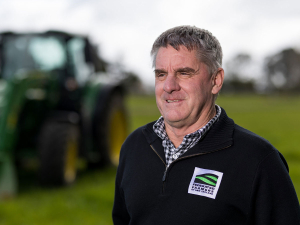
National’s pledge to introduce 19 new national standards shows the party is serious about getting Wellington out of farming, Federated Farmers says.
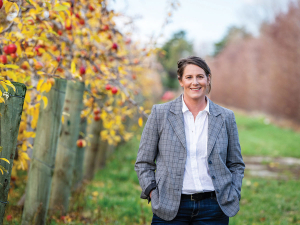
The National Party’s policies to make it easier to grow fresh vegetables, secure reliable water and energy and simplify farm planning are practical changes that will give growers the confidence to invest, according to Horticulture New Zealand (HortNZ).
Fonterra Co-operative Group chief financial officer Andrew Murray has resigned to take up a role outside the dairy giant.
A major move is about to get underway to improve the quality and viability of dairy beef and cattle in NZ.
Veterinarians say changes to the code of welfare for dairy cattle provides a positive foundation for improved cattle welfare across the country.
Today, 15 October, is the International Day of Rural Women, which recognises rural women’s contribution to farming, communities and the environment.




OPINION: The same mainstream media muppets that brought you Jacindamania in 2017 have been flat out pimping for the Opportunities…
OPINION: Your old mate reckons the atrocious way farmers in the UK are treated by their lords and masters in…




