Fonterra FY26 Results: $9.69 Milk Price, $3.4bn Profit
Fonterra has unveiled its annual results for the 2026 financial year, posting $27 billion in revenue and close to $20 billion returned to New Zealand farmer owners and unit holders.




 increase font size
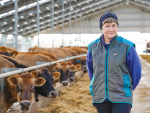
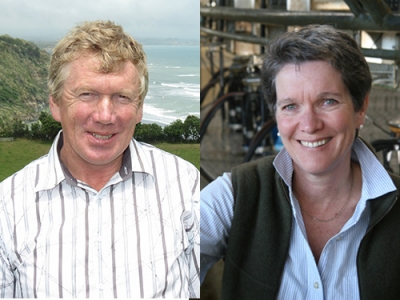 Blue Read and Nicola Shadbolt.
The Fonterra board election was looking like a subdued affair. Chairman John Wilson and sitting directors Blue Read and Nicola Shadbolt were a shoe-in for the three seats up for grabs.
With no disrespect to the other three candidates, it still looks highly unlikely that Wilson, Read and Shadbolt will be thrown out by farmers.
But the actions of two former directors have thrown a spanner in the works for Wilson and the board: suddenly the 2015 vote and this month's annual meeting promise excitement.
Colin Armer, a corporate farmer, and Greg Gent, a well-respected company director, lobbed a grenade last month. They want shareholders to vote for a reduction in the size of the board, currently 13 directors -- nine elected and four appointed.
Knowing very well that they would not find much support within the board, Armer and Gent have gone directly to the shareholders, seeking approval for "a leaner and fitter Fonterra".
They argue that accountability for the performance of the company begins at the top. A meaningful reduction in the size of the board will improve board efficiency and decisionmaking, they say. A smaller board will give greater clarity to our cooperative's strategic direction for the future.
Boards with double-digit numbers of directors are rare. Other New Zealand cooperatives have smaller boards: Tatua and Ballance each have eight, yet they are high-performing companies. When Air New Zealand was rescued from collapse it had 13 directors; today it is a high-performing company with only seven directors.
However, the Gent/Armer motion has a big hill to climb: they need 75% support from shareholders and a 50% 'yes' vote by the Shareholders Council.
With both the board and the council recommending farmers vote against the proposal, in favour of a detailed review of the governance structure, the showdown is on.
Forget the board election results; when voting figures are announced at Fonterra's annual meeting at Waitoa on November 25, all eyes will be on what farmers thought of the Gent/Armer motion.
A healthy 'yes' vote will pile more pressure on Wilson and the board to act -- fast.
Fonterra farmers have faced two challenging seasons. With dairy prices still fluctuating, the light at the end of the tunnel seems some way off.
If Gent and Armer's proposal for a fitter, leaner board resonates with shareholders it could signal a major upheaval for the co-op.
Farmers have risen against the board and management before: look at the Trading Among Farmers (TAF) consultation. They may be in the mood to do that again.
Fonterra has unveiled its annual results for the 2026 financial year, posting $27 billion in revenue and close to $20 billion returned to New Zealand farmer owners and unit holders.
Fonterra Co-operative Group has confirmed the independently assessed candidates standing for election to its board in 2026.
Fonterra has revised its Farmgate Milk Price forecast for the 2026/27 season, lifting the midpoint and narrowing the range on the back of improving global dairy commodity prices.
Outgoing Fonterra Co-operative Council chair John Stevenson says that it has been a privilege to represent the co-op's farmer shareholders.
OPINION: It seems Canterbury processor Synlait is still in the doldrums.


Central Otago District Council (CODC) has voted against a plan to spread treated sewage sludge from Cromwell and Alexandra on farmland near Lauder, a decision Federated Farmers says reflects strong opposition from rural residents.
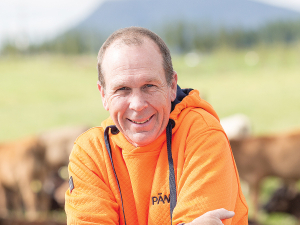
Pāmu has released its FY26 Integrated Annual Report, reporting a Net Operating Profit of $113 million, more than double the $49 million recorded in FY25.
Meat Industry Association data, released alongside the Red Meat Sector conference in Wellington, shows export value climbing across the US, China, UK and Canada.
Applications are set to open for the 2027 Zanda McDonald Award, a trans-Tasman award recognised for identifying and fast-tracking talented young leaders in agriculture and agribusiness.
The Royal New Zealand College of General Practitioners (the College) and Hauora Taiwhenua Rural Health Network are calling for investment in a proposed new training pathway for rural GPs, warning that many rural practices are struggling to recruit while a large share of the existing workforce nears retirement.
Synlait has swung to second-half profit as operations stabilise, but the dairy processor still posted a $75.4m annual loss.
OPINION: It seems Canterbury processor Synlait is still in the doldrums.
OPINION: Get offside with New Zealand First leader Winston Peters at your own peril.