Dairy Effluent Management: Right Amount at the Right Time
Good effluent management on a dairy farm combines a well-designed system with proper processes to ensure the right amount of effluent gets applied to pasture at the right time.




 increase font size
 A callout to fix a bridge mixing propeller in Southland inspired Stuart Reid to write a poem.
Effluent irrigation expert Stuart Reid, Spitfire Revolution, was recently called to Southland to attend to a bridge mixing propeller fouled by a rope.
Repairs were urgently needed because the pond level was as low as it would ever be, and what with milking (and the supply of effluent to the pond) just beginning, the window of opportunity was narrow. Otherwise the job was a summer one.
Reid says he has no idea why, but he was inspired to put this episode into verse. At a time when many farmers are struggling, this may lighten the mood out there:
Upon a Southland Bridge*
There was dung
and there was urine,
there was odour, sludge and grot,
but my call was to block my nose
and service problems that arose
and fix the bloody lot.
For McGinty though he cared for things,
had gone and stuffed the prop,
by wrapping it with rope so bad
the mixing thing had stopped.
Well stuffed is a polite word
when 'effed' would best be used,
so I set to work in ice and snow
that McGinty and his team could go
and mix it as they should.
Now Southland has 'big' weather
in the winter months my friends,
and McGinty 's call for help came
at a grim time – comprehend?
When heavy snow and blackened ice
pervade the country day and night,
I had to go for the pond was low
and the time to mend was ripe.
I toiled and swore and grunted
with my mittens wet and cold,
and my fingers didn't work as well
as in the days of old;
but I ground along, ignored the pong
and rarely raised my eyes
to the black-as-soot horizon
threatening all the whole day long.
And finally when I had settled
all within my power,
I headed back to my Balfour hutch
to malinger in the shower.
The mixer wasn't working yet
but the task was mostly done;
I could see an end to a rotten job
looking toward the warming hob
to getting home to my comfy mob
and bathing in some sun.
*With a nod to William Wordsworth.
• Editor’s note: if you have a poem or snippet that would help lighten the mood onfarm, email it to This email address is being protected from spambots. You need JavaScript enabled to view it.
Good effluent management on a dairy farm combines a well-designed system with proper processes to ensure the right amount of effluent gets applied to pasture at the right time.
For years, IrrigationNZ has called for a coordinated national approach to water security, backed by enabling regulation, strategic infrastructure investment and sound technical practice. As the 2026 general election approaches, many of these priorities are now reflected in political commitments and legislative reforms. That represents significant progress, but the real measure of success will be turning policy into practical outcomes, says IrrigationNZ principal technical officer Stephen McNally.
Tararua district farmer Jamie Harris milks around 400 cows using a split calving system on his farm, Crossdale Dairies.
Water management is an integral component of sustainable farming practices, according to Watermetrics.
Two farmers and two farming companies were recently convicted and fined a total of $108,000 for environmental offending.



During the nesting season, from September to December, industrious starlings can quickly build nests in the darker areas behind tractor and vehicle, usually close to hot engines, typically resulting in localised damage or in some cases complete write-offs.
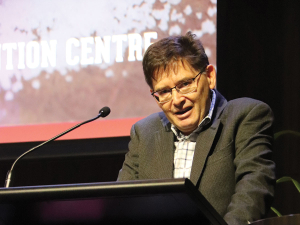
The meat processing industry is much more collegial than it was in the past and is now more focused on common goals.
With the last couple of months having seen some potential tractor purchases put on hold with the impending election and continued input cost rises, year-to-date figures, ending September, has seen deliveries up around 5% over the same period in 2025, with a total of 2026 units.
Beef+Lamb New Zealand is calling for nominations for director roles in the Northern South Island and Northern North Island electoral districts.
Fonterra chief executive, Richard Allen says being resilient has helped the dairy industry overcome extreme volatility in recent years.
The head of the Ministry for Primary Industries (MPI) trade and international relations group says New Zealand is well-positioned to secure trade access and compete internationally as the world becomes more complicated, demanding and uncertain.

OPINION: It seems Canterbury processor Synlait is still in the doldrums.
OPINION: Get offside with New Zealand First leader Winston Peters at your own peril.