
Leon Fung confirmed as Synlait CEO
Canterbury milk processor, Synlait Milk has confirmed Leon Fung as its chief executive officer.




 increase font size

OPINION: Canterbury milk processor Synlait is showing no sign of bouncing back from its financial doldrums.
The listed company’s share price has dropped to 50c/share, valuing the company at only around $100 million. The share price has been travelling south despite the company working hard to sell off under-utilised assets and reduce debt.
Milking It reckons all this means a takeover bid could be around the corner. Watch out for Bright Dairy of China; it already owns 39% of Synlait and could easily fork out a couple hundred million to buy the company outright.
The Chinese know how to run successful dairy companies in NZ; just look at Westland Milk, which reported a record revenue of over $1b last financial year.
Canterbury milk processor, Synlait Milk has confirmed Leon Fung as its chief executive officer.
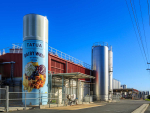
Waikato milk processor Tatua has again declared a record milk payout to farmer shareholders, leaving other processors in the dust.
Synlait has swung to second-half profit as operations stabilise, but the dairy processor still posted a $75.4m annual loss.
OPINION: It seems Canterbury processor Synlait is still in the doldrums.
OPINION: Being a stock manager of a Government MP's farm can come in handy.



Federated Farmers has welcomed new rural policies released by ACT, saying they align closely with its own election priorities.

Rural Contractors NZ says proposed changes to land transport rules for agricultural vehicles are a welcome response by the Government to out of date regulations which have seen members hit with huge fines.
Alliance is calling for final applications for its 2027 Graduate Programme, with applications closing on Sunday 25 October.
Decades piloting planes has ensured vet and farmer David Hayes is focused on safety. So, after a serious accident while welding on farm, he is sharing his experience so others can learn from it.
Canterbury milk processor, Synlait Milk has confirmed Leon Fung as its chief executive officer.
OPINION: Making it easier to collect rainwater and use it to grow crops and livestock is a no brainer.


OPINION: It seems Canterbury processor Synlait is still in the doldrums.
OPINION: Get offside with New Zealand First leader Winston Peters at your own peril.




