
DairyNZ Strategy Review: Farmer Feedback Closes 15 Nov
Farmers have until the end of this week to help shape DairyNZ’s future focus.




 increase font size

OPINION: Farmers won't get any credit for this from the daily media, so Milking It is giving the bouquets where they’re due.
Emissions by dairy cattle decreased according to the latest NZ Greenhouse Gas Inventory report.
It shows that between 2022 and 2023, total emissions from agriculture decreased 2.2% which included a 1.6% drop in dairy cattle emissions due to a fall in dairy cow numbers.
This is part of a trend that has seen methane emissions from dairy cattle decrease by 4.11% since 2017. DairyNZ statistics show a 3.4% decrease in cow numbers - from 4.84 million in the 2021/22 season to 4.67 million in the 2022/23 season.
Average milk production per cow increased over this same period by 1.8%, up to 393kgMS from 386kgMS.
Farmers have until the end of this week to help shape DairyNZ’s future focus.
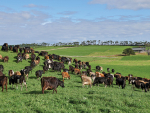
The New Zealand dairy sector set a record in the 2025/26 season, producing more than two billion kilograms of milksolids for the first time.
Students will be able to study Agriculture and Horticultural Science from Year 11, creating a clear pathway into Years 12 and 13 and future careers in New Zealand’s primary industries, Education Minister Erica Stanford says.
With New Zealand’s greenhouse gas emissions in the spotlight, Auckland scientist Nathan Balasingham says there’s a better way to tackle the problem than shrinking cow numbers or fertiliser usage.
OPINION: New Zealand dairy is delivering. In the year to June, dairy exports earned a record $28.8 billion for New Zealand. They were part of a record $65.2 billion earned by our wider food and fibre sector.



Nominations are open for the 2027 Fonterra Dairy Woman of the Year Award.
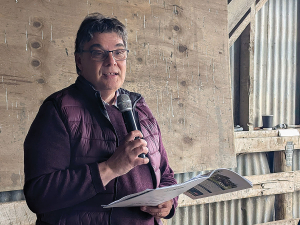
Keeping up with pasture moisture demands is likely to be the key challenge for dairy farmers during this season’s El Niño weather pattern, says Blue Skies Weather & Climate Services meteorologist Tony Trewinnard.
Farmers have until the end of this week to help shape DairyNZ’s future focus.
Wayne McNee, chief executive of AgriZeroNZ, has resigned and will leave the organisation on 15 January 2027.
The New Zealand dairy sector set a record in the 2025/26 season, producing more than two billion kilograms of milksolids for the first time.
Milk powder prices are continuing their merry run, firming up a potential $10/kgMS farmgate price this season.

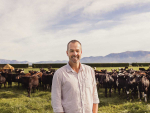

OPINION: It seems Canterbury processor Synlait is still in the doldrums.
OPINION: Get offside with New Zealand First leader Winston Peters at your own peril.




