Editorial: Making Water Storage Easy
OPINION: Making it easier to collect rainwater and use it to grow crops and livestock is a no brainer.




 increase font size
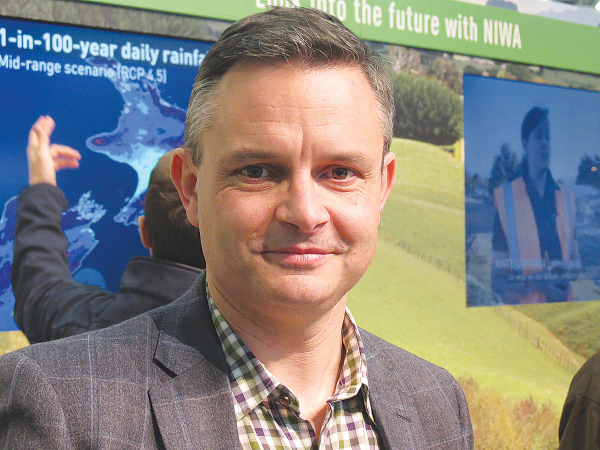 Outgoing Green Party co-leader James Shaw.
OPINION: James Shaw is the last of the real Greens – a person who until the end has lived up to the ideals of the original NZ Green Party, which first entered Parliament in 1999 when one of its founders, Jeanette Fitzsimmons, historically won the Coromandel seat. Rod Donald and Mike Ward were the other key founding members.
In its early years the Green Party was the flag bearer for the environment and while many people questioned its policies, it was widely respected.
Fitzsimmons was seen as a strong and uncompromising advocate for the environment, but her advocacy was couched in moderate and reasonable language.
Shaw carried on this tradition to the bitter end; A man with a lifetime commitment to advocacy for green ideals. Described as affable, engaging, gentle and kind he was also intelligent and a smart politician. He will be remembered as a great Climate Change Minister and for the passing of the Zero Carbon Act.
Shaw has not walked away from the Greens – they have walked away from him. To call the present party ‘Green’ stretches the imagination to the limit. It is known in some circles as the ‘watermelon party’ – a thin layer of green on the outside, but red on the inside. While the party bats on about climate change, it seems to be placing more and more emphasis on hard left-wing social issues which will ensure that it forever will remain just an opposition party.
The moderate and pragmatic approach of Shaw, now seems unwanted in the Green Party, which is looking more bedraggled by the day – not helped by the recent Golriz Ghahraman saga. Despite the party winning more seats in the last election, one must question where its future lies and who it really appeals to, other than an array of disaffected individuals.
Sadly, the reality is that Shaw is too good for the Greens and will probably go on to carve out another stellar career in business.
OPINION: Making it easier to collect rainwater and use it to grow crops and livestock is a no brainer.
OPINION: New health and safety guidance unveiled by the Government recently provides farmers greater certainty about what is expected of them when managing risks on farm.
National’s much-touted free trade deal with India featured in the Rural Issues Debate at Mystery Creek, Hamilton on Wednesday night.
OPINION: Have a plan in place now!
OPINION: The stats speak for themselves.


Federated Farmers has welcomed new rural policies released by ACT, saying they align closely with its own election priorities.
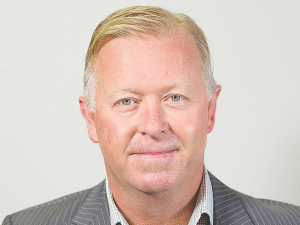
Rural Contractors NZ says proposed changes to land transport rules for agricultural vehicles are a welcome response by the Government to out of date regulations which have seen members hit with huge fines.
Alliance is calling for final applications for its 2027 Graduate Programme, with applications closing on Sunday 25 October.
Decades piloting planes has ensured vet and farmer David Hayes is focused on safety. So, after a serious accident while welding on farm, he is sharing his experience so others can learn from it.
Canterbury milk processor, Synlait Milk has confirmed Leon Fung as its chief executive officer.
OPINION: Making it easier to collect rainwater and use it to grow crops and livestock is a no brainer.




OPINION: It seems Canterbury processor Synlait is still in the doldrums.
OPINION: Get offside with New Zealand First leader Winston Peters at your own peril.




