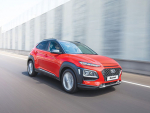
Small SUV with huge potential
Following the meteoric rise in the SUV market over the last decade, Korean manufacturer Hyundai has launched a small SUV.




 increase font size
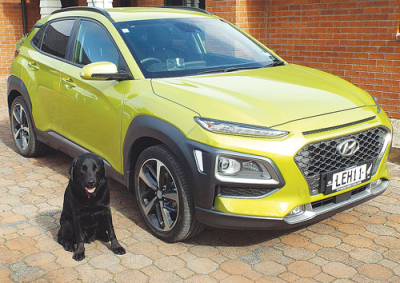 Hyundai Kona.
It doesn't seem too long since Hyundai was the new kid on the block, but the last decade has seen it emerge as a key player.
And it leans to agriculture, from its lofty position at the centre of National Fieldays and its sponsorship of TVNZ’s Country Calendar.
Already producing respectable SUVs, e.g. the Tuscon and the Sante Fe, it now has a smaller offering -- the Hyundai Kona, apparently named after a southwest wind that blows in Hawaii. This will give SUV lovers a thrill, given its up-to-date looks and high levels of specification at a modest price.
The Kona comes either with a four-cylinder, 2L petrol engine delivering 110kW/180Nm, or a 1.6L turbo diesel offering 130kW/265Nm; both variants can be specified in standard or higher Elite trim packages. The key differences between the two engines centre on the drive-line: petrol gets 2WD and a six-speed auto, while the 1.6TL is 4WD and delivered with a 7-speed dual clutch set-up.
Living with the 2.0L petrol model for a week, your reviewer motored urban style around Hamilton and made a 650km one-day return trip to Dargaville for a look at the Northland ag field days.
On the open road, the vehicle moved along serenely at the legal limit, burning about 8.5L/100km with a crew of two -- both 1.8m tall -- who agreed the seating was adequate and comfortable, but after 325km “you knew you’d driven it”.
Off SH1, heading across to the northwest coast, the vehicle was largely neutral, but its shorter wheelbase made for a slightly choppy ride and the occupants both commented on a slight roll on the corners.
On some longer inclines the 110kW motor seemed to be running out of puff; judicious use of the paddle shifters kept up momentum but clearly many small four-cylinder motors struggle on these climbs.
Equipment levels in the Elite set the bar for vehicles in this class: leather trimmed seats, a heads-up display system for speed, wireless phone charging in the centre console, climate air conditioning and bigger wheel equipment than the standard offering.
Add to this such high-end safety features as forward collision alert, blind spot assistance, lane keeper, rear cross traffic alert and driver attention warning and you can see the Kona represents outstanding value for money; it lacks only autonomous cruise control
In the cab a 7-inch full colour touch screen takes centre stage and controls audio, telecoms and vehicle functions. Apple Play or Android Auto connect to the outside world, and the vehicle connects to the owner’s smartphone to get guidance functions.
Add high beam assist, front parking assist, a second 4.2-inch display cluster, rain sensing wipers and LED lighting front and rear and you see a lot for your money.
Hyundai’s own Auto App delivers diagnostic and performance data, the car’s location when parked, service reminders and, of course, the nearest Hyundai dealer.
On the outside the car is easy on the eye, with quirky detailing giving a sense of fun; and although it’s small, the Kona projects a certain presence, aided by its daytime running lights.
Following the meteoric rise in the SUV market over the last decade, Korean manufacturer Hyundai has launched a small SUV.
The Australian motoring press, known to take themselves a bit seriously, have been quite dismissive of Hyundai’s large, rear wheel drive, six cylinder sedan, the Genesis.
DIESEL CARS were long ago the preserve of anorak wearers obsessed with fuel economy statistics that they neatly recorded in log books.

Farmer-owned fertiliser company, Ballance Agri Nutrients is welcoming National’s plan to negotiate security agreements with key supplier countries to protect New Zealand-bound products from export restrictions and greater supply chain certainty.

Carrfields has announced the appointment of Stu Hall to the newly created role of chief operating officer, Carrfields Ltd, reflecting the continued growth of their agribusinesses and the need to ensure the company has the leadership capacity and support in place as it pursues the emerging opportunities ahead.
New Zealand's role is not to compete with Indian growers, according to NZ Apples and Pears.
The potato industry is celebrating the success of two rising stars - James Blair, the 2026 Young Grower of the Year and runner-up and innovation award winner, Amber Davy.
Twenty-eight emerging leaders from across the horticulture sector spent two days last month learning valuable skills and connecting with industry experts.
There are five entrants in this year’s Young Horticulturist of the Year, competing in a series of technical, practical, business and leadership challenges.
OPINION: It seems Canterbury processor Synlait is still in the doldrums.
OPINION: Get offside with New Zealand First leader Winston Peters at your own peril.




