VatGuard: The Kiwi-Made Fix for Milk Vat Contamination
The greatest nightmare for any dairy farmer is the fear of contaminating the milk vat, either with milk from a treated animal or water from the wash cycle.




 increase font size
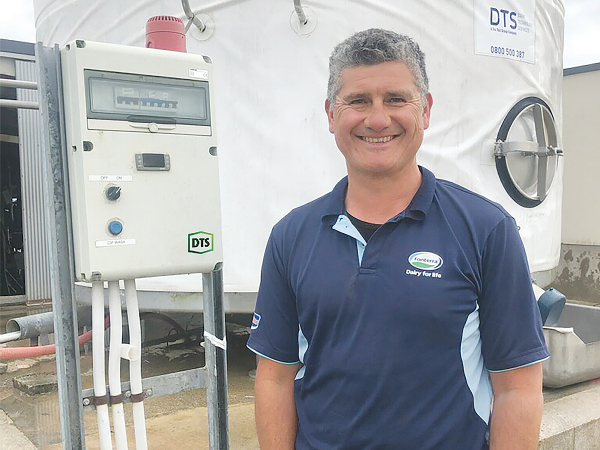 Whakatane sharemilker Troy Doherty.
A vat of milk, calving in full swing, and suddenly there is no power – a far from an ideal scenario for Whakatane sharemilker, Troy Doherty.
With no notice, power was cut off to fix a broken line, meaning Doherty’s vat refrigeration was out of action and the power-driven digital vat thermometer was of no use.
“I was at a loss. I wondered if we needed to call Fonterra for an early pick up. Luckily for us, we had just done some research around vat monitoring and were part-way through a Vat-Man installation with DTS,” says Doherty.
“There were other companies, which we hadn’t heard much about, offering systems. We knew and used DTS for other technology – drafting gates, weigh systems – and everything from the company had worked well. They were easy to deal with and we had good support from their technical and support people. Over the years, we had developed trust in them and their products, so it was a good fit.”
When the power went out, only the Vat-Man hardware had been mounted at the shed. Calibration sensor testing was in process and the temperature monitoring and alerts functionality was not yet up and running.
Banking on his earlier excellent service, Doherty says he thought it was worth a shot to ask if the company could fast track the calibration and monitoring. Accurate information on milk volume and vat temperature would, at least, allow him to tell Fonterra how much was in the vat for an early pick up.
“DTS were very efficient, had the whole job done quickly and kept us in the loop around the calibration process. We got hold of accurate data which meant we had confidence in our milk quality, we didn’t need a special collect from Fonterra and could wait for our usual pick-up time. The information from Vat-Man and support from DTS meant our milk wasn’t going to spoil and we weren’t going to have a financial penalty.”
Doherty believes the true value of Vat-Man is more about the future savings.
“Now I can go to my phone any time of the day and see information that is timely, relevant and easy to interpret. It is so much more than compliance. The biggest benefit is the extra security of knowing that if anything goes wrong, we will know early.”
Doherty notes an incident from the previous season.
“Last year we did dump milk because of a mechanical alert failure. We had a noisy siren that didn’t sound. By the time we knew there was a problem, it was a very expensive issue. That was obviously thousands of dollars. With the DTS Vat-Man in place, that won’t happen anymore.”
The greatest nightmare for any dairy farmer is the fear of contaminating the milk vat, either with milk from a treated animal or water from the wash cycle.
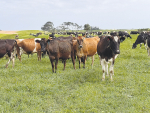
As spring calving farmers around the country enter in the final stage of lactation, the incentive to keep the milk flowing is certainly there. A strong milk price and kind first half of the season has left cows in good nick and milking well.
FIL has launched a new online survey to gain valuable insights into the challenges dairy farmers face in meeting their milk quality and mastitis prevention goals.
Milk quality is a key driver of value for Fonterra.
Dairy companies have always wanted good quality milk — but what’s in it for farmers?


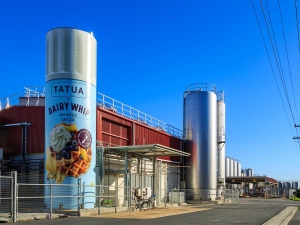
Waikato milk processor Tatua has again declared a record milk payout to farmer shareholders, leaving other processors in the dust.
A Labour-led Government won’t be bringing back the controversial freshwater rules of 2020.
National’s much-touted free trade deal with India featured in the Rural Issues Debate at Mystery Creek, Hamilton on Wednesday night.
New Zealand's 2026-27 freshwater fishing season has opened, with anglers encouraged to head to rivers and lakes over the coming days as conditions look favourable across much of the country.
Central Otago District Council (CODC) has voted against a plan to spread treated sewage sludge from Cromwell and Alexandra on farmland near Lauder, a decision Federated Farmers says reflects strong opposition from rural residents.
Pāmu has released its FY26 Integrated Annual Report, reporting a Net Operating Profit of $113 million, more than double the $49 million recorded in FY25.



OPINION: It seems Canterbury processor Synlait is still in the doldrums.
OPINION: Get offside with New Zealand First leader Winston Peters at your own peril.