Beef Progeny Test strengthens NZ beef genetics
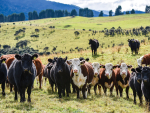
Mating wrapped up last month at the across-breed Beef Progeny Test on Pāmu’s Kepler Farm in Manapouri.




 increase font size
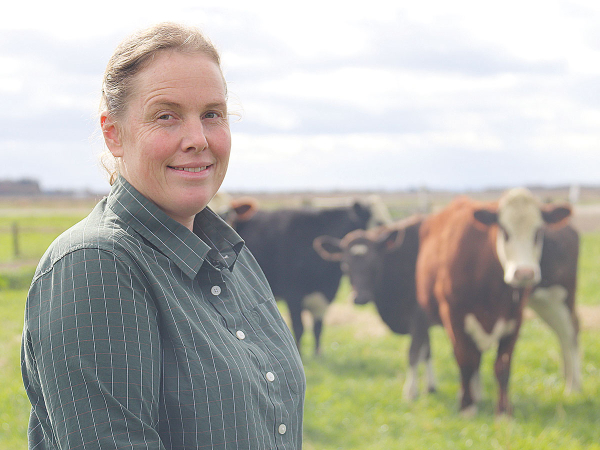 Professor Rebecca Hickson says that no one breed of bull is better than the other – it’s the traits and the genetics that counts.
Rebecca Hickson says no one breed of bull is better than the other – it’s the traits and the genetics that counts. She says there are good and poor performing bulls in every breed, so understanding the traits of any bull should be the focus.
“When you look at the question of should you use a bull or a straw, there’s a whole lot of things at play. I believe that if you use a straw, use a good one that will deliver for you and for the most part won’t cost more,” she says.
But she adds, if a farmer is going to use a bull, they should use a good one. Hickson says farmers have told her they don’t need genetics because they feed their calves well. But she notes that while better feeding will always give you a better animal, even on a lower nutrition plain, better genetics will always outperform lower genetics.
When rearers are selecting calves, Hickson says there is sometimes a tendency to select the bigger calf over the smaller one. But she says there is no guarantee that a bigger calf will grow into a bigger animal and there is data to suggest that the small calf may in many cases be the best bet.
“This is because the beef breeders have done a phenomenal job of creating ‘curve bender bulls’ – meaning that while a calf may be born small, it will grow fast, will calve easily, but is at least, if not more valuable than the larger calf,” she says.
Hickson says farmers, calf rearers and finishers who have long standing, close relationships do their best and this is the pathway to producing better beef animals. She says she’d encourage farmers when they are picking the straw for their dairy cows to not only look after their own needs, but to think about others down the value chain.
Mating wrapped up last month at the across-breed Beef Progeny Test on Pāmu’s Kepler Farm in Manapouri.

A major player in this project is LIC with Beef Genetic Product Lead, Paul Charteris pointing out his organisation have the majority market share in terms of inseminations of dairy cows.
Better genetics hold the key to better beef calves from dairy cows. That was the key message from a series of workshops by Beef+Lamb NZ to increase the overall value of beef exports to NZ. Two thirds of NZ’s beef kill is from the dairy industry but calves from dairy farms have in the past been seen as more of a by-product. Peter Burke reports.


Farmers are being encouraged to rethink how they manage waste on farm with the launch of ruralwastesorted.co.nz, a new website bringing together practical tips, real farmer experiences and resources.

New Zealand Winegrowers (NZW) is celebrating the India-New Zealand Free Trade Agreement (FTA) coming into force today, bringing New Zealand wine improved access to one of the world’s fastest-growing economies.
New Zealand’s red meat sector has welcomed the India-New Zealand Free Trade Agreement taking effect, which removes India’s 33% tariff on New Zealand sheepmeat.
More than 95 per cent of New Zealand’s forestry and wood exports to India can now enter tariff free as the New Zealand-India Free Trade Agreement comes into force today.
Federated Farmers is backing Feilding High School’s call to keep Agriculture and Horticultural Science as a standalone subject in Year 11.
Food and fibre exports have returned a billion- dollar bonus to the country.


OPINION: It seems Canterbury processor Synlait is still in the doldrums.
OPINION: Get offside with New Zealand First leader Winston Peters at your own peril.




