
Five orchardists fined over illegal water take
Over the past two Kiwifruit seasons, Toi Moana Bay of Plenty Regional Council has prosecuted five orchardists for illegally taking more than 100 million litres of water.




 increase font size
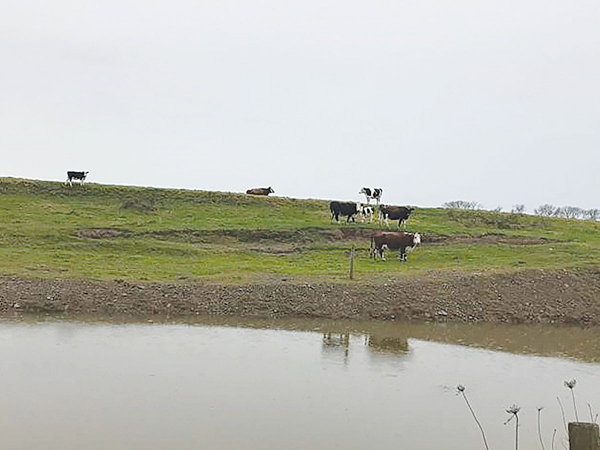 Stopbanks are compacted earth banks built next to rivers to help contain water and protect communities in flooding events.
Bay of Plenty Regional Council is reminding rural landowners of their responsibility to protect the region's stopbanks this winter.
Over the wetter winter months stopbanks can be damaged by stock and over grazing and landowners can be held liable for any damage.
Rivers and drainage asset manager Kirsty Brown says most farmers and lifestyle block owners know and follow the rules, but it only takes one person to put the wider community at risk.
Stopbanks are compacted earth banks built next to rivers to help contain water and protect communities in flooding events.
<p."At regional council we manage over 350km of stopbanks and they are only as strong as their weakest link so it is essential every landowner plays their part," Brown says.
"While light grazing of sheep and cows is allowed on stopbanks in the dryer months, over winter it's best to keep all stock off them as much as possible to prevent damage. Pigs, horses and bulls should never be on stopbanks."
She adds that when stopbanks become wet, stock can churn up the ground which can create serious issues. Good grass cover helps to hold together the soil structure underneath - so weakening that top layer can have catastrophic effects on surrounding properties."
"Vehicles can also damage stopbanks, especially when the ground is wet, so please make sure you aren't driving trucks, tractors or other machinery on them."
The council is also reminding peiple who live near stopbanks of the new flood protection and drainage bylaws that came into effect earlier this year.
The bylaws apply to stopbanks and other flood defences and water controls like drains. They require landowners to apply for permission if they are intending to build or demolish any structure, undertake earthworks or do any plantings in the vicinity of a Regional Council managed flood defence or drain.
Bylaw conditions differ across the region so Brown is asking anyone living near one of the region's flood defences to go onto the council website for full details.
"We need to protect stopbanks so they protect us in times of flooding. If in doubt please check out our website to make sure you know the rules for stopbanks and drains in your area."
Over the past two Kiwifruit seasons, Toi Moana Bay of Plenty Regional Council has prosecuted five orchardists for illegally taking more than 100 million litres of water.
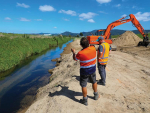
Bay of Plenty Regional Council Toi Moana is seeking applications from rivers and drainage scheme ratepayers to join its Rivers Scheme Advisory Groups.
A Rotorua dairy farm has been convicted and fined $40,000 for an illegal dairy effluent discharge from a travelling irrigator.
A kiwifruit orchard has been convicted and fined $35,000 in the Tauranga District Court for unlawfully taking more than 18 million litres of water for irrigation.
Bay of Plenty Regional Council says the region has received help in its pest control efforts from an online mapping system.



Federated Farmers has welcomed new rural policies released by ACT, saying they align closely with its own election priorities.

Rural Contractors NZ says proposed changes to land transport rules for agricultural vehicles are a welcome response by the Government to out of date regulations which have seen members hit with huge fines.
Alliance is calling for final applications for its 2027 Graduate Programme, with applications closing on Sunday 25 October.
Decades piloting planes has ensured vet and farmer David Hayes is focused on safety. So, after a serious accident while welding on farm, he is sharing his experience so others can learn from it.
Canterbury milk processor, Synlait Milk has confirmed Leon Fung as its chief executive officer.
OPINION: Making it easier to collect rainwater and use it to grow crops and livestock is a no brainer.




OPINION: It seems Canterbury processor Synlait is still in the doldrums.
OPINION: Get offside with New Zealand First leader Winston Peters at your own peril.




