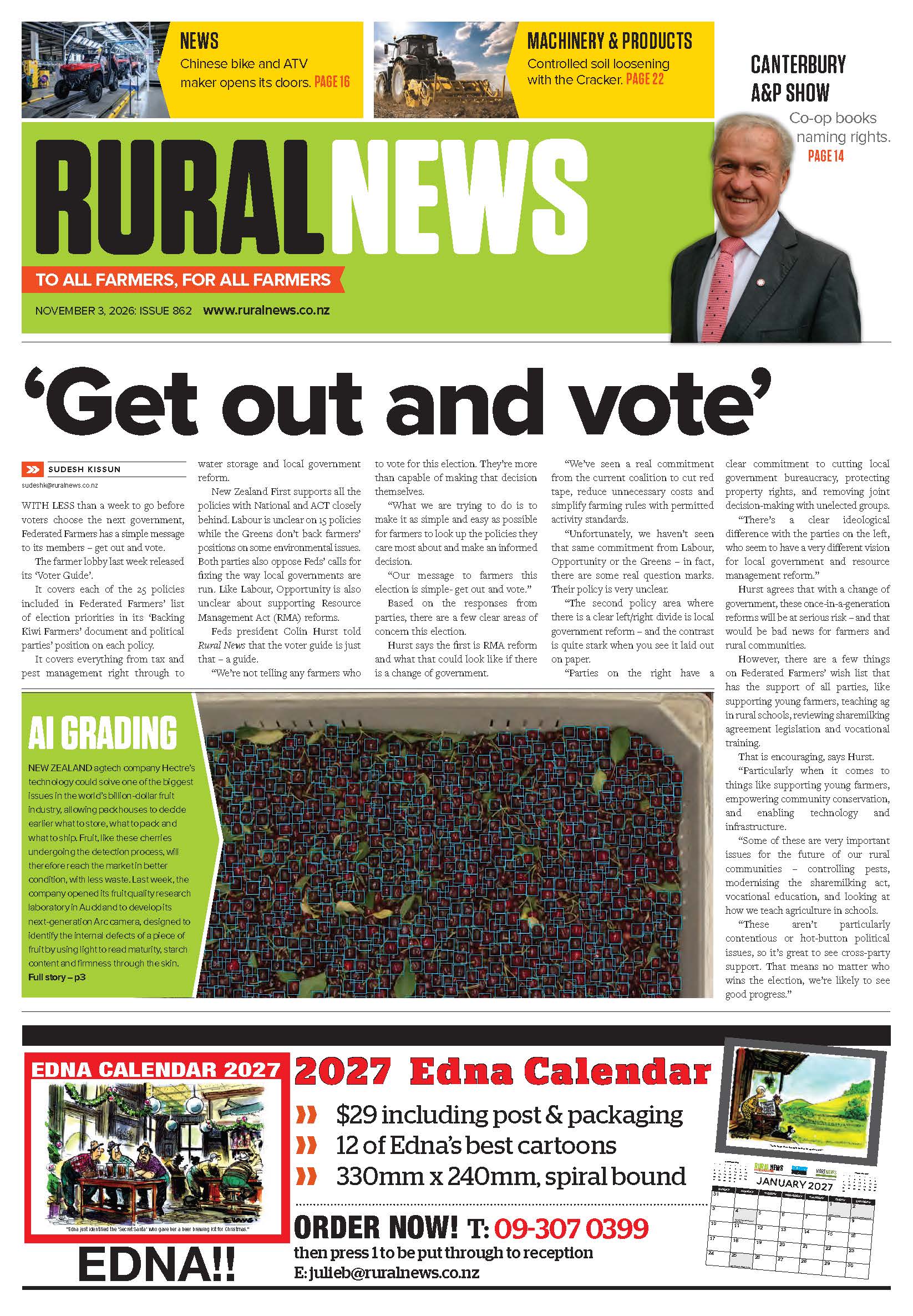
Dairy Effluent Management: Right Amount at the Right Time
Good effluent management on a dairy farm combines a well-designed system with proper processes to ensure the right amount of effluent gets applied to pasture at the right time.




 increase font size
 Glockemann Pumps provide an easy way of moving water where there is no power.
Glockemann Pumps provide an easy way of moving water where there is no power, or where the need for monitoring stationary engines is a headache, because they use the water itself to do the job.
With a design that only needs around a half metre of head, the pump is placed in a stream or river, and collects water through a drive tube and delivers it into the diaphragm chamber, and then exits via an exhaust valve. The water pressure against the valve slams it shut, allowing the water pressure in the diaphragm chamber to increase, which distends the diaphragm and moves the piston forward in the piston bore, which forces water through a non-return valve, and up the delivery pipe.
At the end of the push stroke, and when the energy is spent, pressure drops in the chamber, and the exhaust valve springs open, and a strong return spring pushes the diaphragm back to its original position. The piston returning in the bore draws in water via the lower non-return valve, and the cycle repeats itself.
Construction of the main housing is cast iron, with remaining components being stainless steel, and a diaphragm made from a piece of tractor inner tube type material. Dependent on the amount of head required to push the water to the storage tank a range of interchangeable piston tubes are available, with the narrowest delivering up to 200 metres head.
The product is low tech, has few moving parts, and especially has no metal to metal contact areas.
For more information visit the NZ distributor at www.eacs.co.nz
Good effluent management on a dairy farm combines a well-designed system with proper processes to ensure the right amount of effluent gets applied to pasture at the right time.
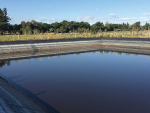
For years, IrrigationNZ has called for a coordinated national approach to water security, backed by enabling regulation, strategic infrastructure investment and sound technical practice. As the 2026 general election approaches, many of these priorities are now reflected in political commitments and legislative reforms. That represents significant progress, but the real measure of success will be turning policy into practical outcomes, says IrrigationNZ principal technical officer Stephen McNally.
There's been widespread support from the primary sector for the Government's announcement on changes to freshwater farm plans that come under the Natural Environment Bill, which is now set to replace the existing RMA.
Today marks the first day of operations for Waikato Waters, a new council-controlled organisation established by six district councils to deliver water and wastewater services for their communities.
OPINION: New economic modelling confirms what many of us in Hawke's Bay have long understood - getting water security right for this region is one of the most important decisions we face as a community. Not just for farmers, but for everyone who lives, works and builds a future here.


During the nesting season, from September to December, industrious starlings can quickly build nests in the darker areas behind tractor and vehicle, usually close to hot engines, typically resulting in localised damage or in some cases complete write-offs.
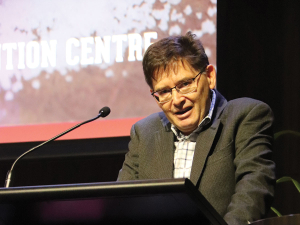
The meat processing industry is much more collegial than it was in the past and is now more focused on common goals.
With the last couple of months having seen some potential tractor purchases put on hold with the impending election and continued input cost rises, year-to-date figures, ending September, has seen deliveries up around 5% over the same period in 2025, with a total of 2026 units.
Beef+Lamb New Zealand is calling for nominations for director roles in the Northern South Island and Northern North Island electoral districts.
Fonterra chief executive, Richard Allen says being resilient has helped the dairy industry overcome extreme volatility in recent years.
The head of the Ministry for Primary Industries (MPI) trade and international relations group says New Zealand is well-positioned to secure trade access and compete internationally as the world becomes more complicated, demanding and uncertain.

OPINION: It seems Canterbury processor Synlait is still in the doldrums.
OPINION: Get offside with New Zealand First leader Winston Peters at your own peril.