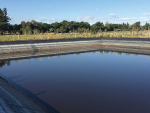
Dairy Effluent Management: Right Amount at the Right Time
Good effluent management on a dairy farm combines a well-designed system with proper processes to ensure the right amount of effluent gets applied to pasture at the right time.




 increase font size

Effluent Expo 2019 will build on last year’s event that drew 1500 farmers, says spokeswoman Amanda Hodgson.
“Feedback from exhibitors and farmers who attended in 2018 was really positive,” and most of last year’s exhibitors will be back, says Hodgson.
“Farmers appreciated seeing under one roof all the products and services available to them, and listening... to a wide range of industry experts in our seminars.
“Exhibitors were happy with the targeted audience they could engage with each day and almost every one of the 70 exhibitors who attended last year will be back again this year.”
The two-day Effluent Expo is timed to follow the intense cow mating season. Farmers may attend one or both days as they choose, depending on their workload.
The Effluent Expo showcases from conception to completion of a whole farm effluent system.
That includes farm infrastructure design, accredited designers, irrigation specialists, storage or concrete infrastructure containment facilities, flood washing and recycling greenwater, solids separation systems (mechanical and non mechanical), cow housing, machinery and contractors for excavations and site preparation and for spreading effluent.
All sites indoors
According to organisers, over half of the pavilion is full with returning and new exhibitors for the 2019 NZ Effluent Expo.
This year’s Effluent Expo will have a new layout: all sites are indoors. There are two sections – exhibitor section and industrial site section.
An exhibitor function on the Tuesday night is included in the booking.
Seminars will run in the same format as last year “with a few tweaks here and there”.
Guest speakers will be centre stage and will be around 1pm on both days - Tuesday and Wednesday.
Where...
Mystery Creek Events Center, 125 Mystery Creek Road, Hamilton
When...
November 19 and 20 (Tuesday and Wednesday), 8:30am to 3:30pm.
Good effluent management on a dairy farm combines a well-designed system with proper processes to ensure the right amount of effluent gets applied to pasture at the right time.
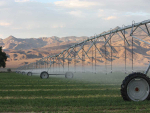
For years, IrrigationNZ has called for a coordinated national approach to water security, backed by enabling regulation, strategic infrastructure investment and sound technical practice. As the 2026 general election approaches, many of these priorities are now reflected in political commitments and legislative reforms. That represents significant progress, but the real measure of success will be turning policy into practical outcomes, says IrrigationNZ principal technical officer Stephen McNally.
Tararua district farmer Jamie Harris milks around 400 cows using a split calving system on his farm, Crossdale Dairies.
Water management is an integral component of sustainable farming practices, according to Watermetrics.
Two farmers and two farming companies were recently convicted and fined a total of $108,000 for environmental offending.



During the nesting season, from September to December, industrious starlings can quickly build nests in the darker areas behind tractor and vehicle, usually close to hot engines, typically resulting in localised damage or in some cases complete write-offs.
The meat processing industry is much more collegial than it was in the past and is now more focused on common goals.
With the last couple of months having seen some potential tractor purchases put on hold with the impending election and continued input cost rises, year-to-date figures, ending September, has seen deliveries up around 5% over the same period in 2025, with a total of 2026 units.
Beef+Lamb New Zealand is calling for nominations for director roles in the Northern South Island and Northern North Island electoral districts.
Fonterra chief executive, Richard Allen says being resilient has helped the dairy industry overcome extreme volatility in recent years.
The head of the Ministry for Primary Industries (MPI) trade and international relations group says New Zealand is well-positioned to secure trade access and compete internationally as the world becomes more complicated, demanding and uncertain.
OPINION: It seems Canterbury processor Synlait is still in the doldrums.
OPINION: Get offside with New Zealand First leader Winston Peters at your own peril.




