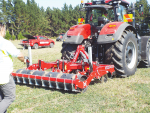
Sumo GLS wrestles compaction
A recent demonstration of a grassland subsoiler in the heavily compacted car park at Mystery Creek impressed visiting dairy farmers.




 increase font size
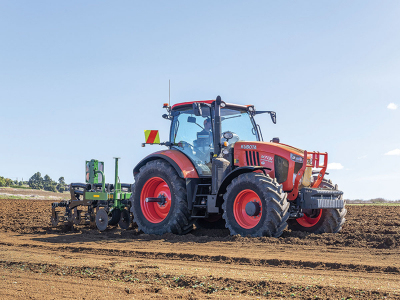 Subsoilers busts yield robbing compaction.
Designed for deep vertical tillage, the Great Plains inline subsoiler shatters yield-robbing compaction layers.
These layers are a known effect of horizontal tillage tools such as ploughs and discs, and of tractors or continuous repeated traffic.
The subsoilers have a working depth of 30-40cm with easily adjusted depth wheels. They are designed for use in autumn to help loosen the soil profile and restore uniform density but with minimal topsoil disturbance.
The subsoiler’s frame is made of high tensile, 9.5mm walled tubing for strength and durability. They come with 70cm (6 shank) or 75cm (5 shank) spacings.
A no-till, 25cm wide, winged point is used with the 19mm no-till leg to minimise surface disturbance yet maximise the soil shattering effect below the surface.
At the rear of the machine, individual 41cm diameter roller assemblies, made from 2.5cm solid bars, level the treated surface, enabling single pass seedbed preparation.
The shanks are protected against stones, rocks or timber by a horizontally mounted coil spring protection system with a trip force of 1360kg.
A recent demonstration of a grassland subsoiler in the heavily compacted car park at Mystery Creek impressed visiting dairy farmers.
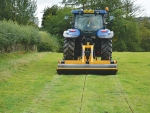
Thinking about subsoilers, few farmers in New Zealand and beyond will be unaware of the McConnell Shakaerator; after all it's been around for 35 years.


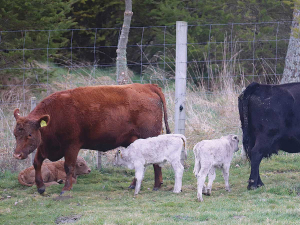
A major move is about to get underway to improve the quality and viability of dairy beef and cattle in NZ.
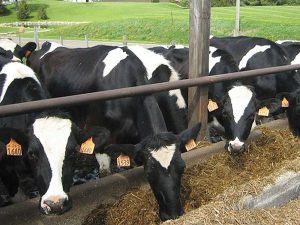
Veterinarians say changes to the code of welfare for dairy cattle provides a positive foundation for improved cattle welfare across the country.
Today, 15 October, is the International Day of Rural Women, which recognises rural women’s contribution to farming, communities and the environment.
Global dairy giant Lactalis has integrated its Australian operations with the Mainland Dairy consumer business it acquired from Fonterra earlier this year.
After almost two decades of sharemilking, saving and building equity, Aaron and Marcia Flay this year realised their long-held dream of settling on their first dairy farm.
Good medium to long term prospects for NZ beef, especially in the US, has heighted the focus on various initiatives to capitalise on this situation.

OPINION: It seems Canterbury processor Synlait is still in the doldrums.
OPINION: Get offside with New Zealand First leader Winston Peters at your own peril.




