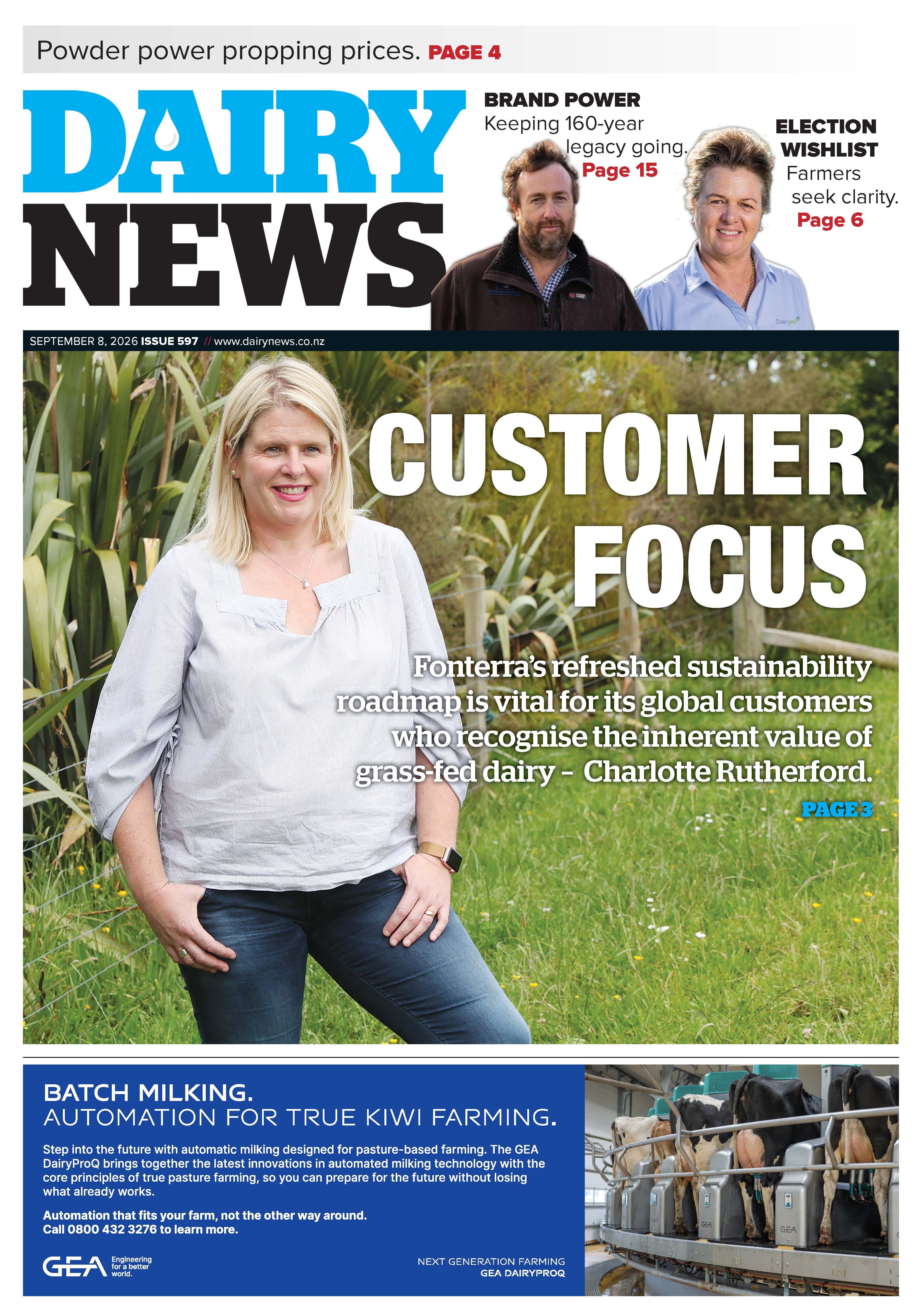
Make your trailer visible at night
With the recent changes to daylight saving and nights drawing in, there is still plenty of traffic on rural roads after dusk.




 increase font size
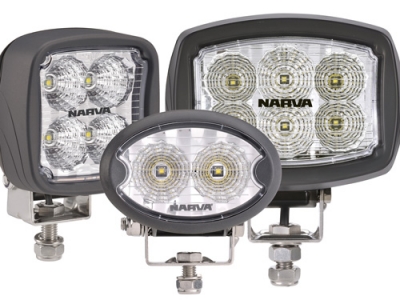 The Narva LED work lamp range.
The shift to LED work lamps in recent times reflects their performance and benefits such as low current draw and a greater resistance to shock and vibration, giving a longer product life.
LED lamps emit a whiter, brighter light than halogens, better illuminating workplaces with light that closely resembles natural daylight.
The Narva LED work lamp range meets the NZ EMC standard CISPR15, so users won't suffer the radio interference that can be an issue with some other work lamps.
Upgrades to some models include increases in light output by as much as 60%, achieved by moving from 3W to 5W LEDs in some variants, and from 5W to 10W LEDs in others. Despite the increase in light output, current draw remains low: the smallest draws 0.58A and the largest just 3.0A (at 12V).
Looks are sleek and modern, and strength and durability are high: the polycarbonate lenses are claimed virtually unbreakable and the mounting hardware is heavy-duty stainless steel.
The lamps come in three sizes, each available in either the standard grey finish or white for marine applications -- the latter using 316 stainless steel fittings.
Across the range, the light output ranges from 900 Lumens for smaller oval models to 4800 Lumen rectangular work lamps with six 10W LEDs. A five-year LED warranty applies.
With the recent changes to daylight saving and nights drawing in, there is still plenty of traffic on rural roads after dusk.
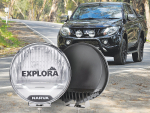
With shortening days meaning the need for good lighting is even more important out on the farm, it might be time to upgrade your illumination.
Originally available with amber lenses only, Narva’s ‘Geomax’ Heavy Duty LED Strobe Beacon light range has been upgraded with the addition of amber/clear, blue and green options.
High quality, reliable lighting is essential for anyone involved in agriculture or the great outdoors.
Narva's new Aeromax LED Rotating Beacons are said to offer big performance and durability.

Mobile phone coverage and reliability are deteriorating in rural areas, and farming families are bearing the cost, according to a Federated Farmers survey.

HelloFresh New Zealand has launched a limited-edition Country Cookout Box of Southern-inspired meals, arriving as the 2026/27 rodeo season gets underway.
Beef + Lamb New Zealand Incorporated (BLNZ Inc) is marking 40 years of promoting red meat to New Zealand consumers, citing its taste, family meals and nutritional benefits.
Pāmu has welcomed Taranaki student Paige Burston as its newest First Foundation Scholar, supporting her journey towards a career in agriculture and animal science.
Farmer-owned fertiliser company, Ballance Agri Nutrients is welcoming National’s plan to negotiate security agreements with key supplier countries to protect New Zealand-bound products from export restrictions and greater supply chain certainty.
Carrfields has announced the appointment of Stu Hall to the newly created role of chief operating officer, Carrfields Ltd, reflecting the continued growth of their agribusinesses and the need to ensure the company has the leadership capacity and support in place as it pursues the emerging opportunities ahead.
OPINION: It seems Canterbury processor Synlait is still in the doldrums.
OPINION: Get offside with New Zealand First leader Winston Peters at your own peril.