
M.I.A.
OPINION: The previous government spent too much during the Covid-19 pandemic, despite warnings from officials, according to a briefing released by the Treasury.




 increase font size
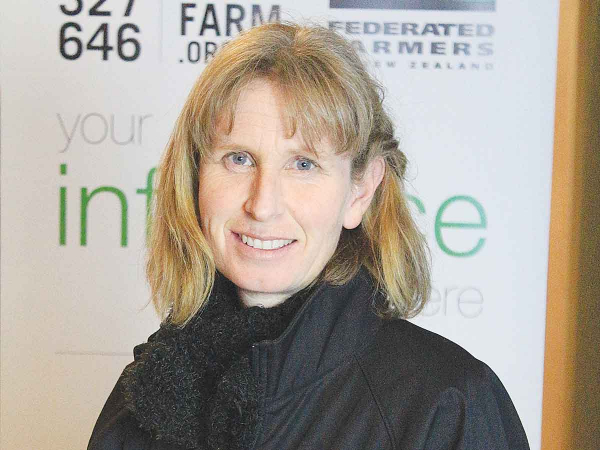 Waikato Federated Farmers president Jacqui Hann says contingencies are needed as it’s highly likely that everyone will become either a close contact of, or contract, Covid-19.
Rural communities have been told that vaccination and planning are the best defences against Covid- 19 causing disruptions on farm.
The Waikato Rural Support Trust is urging rural communities to get their boosters to help prevent possible disruptions to meat processing, work forces and the wider supply chain, particularly at a time when the dry weather has been already testing the agricultural sector.
Waikato Federated Farmers president Jacqui Hann says contingencies are needed as it’s highly likely that everyone will become either a close contact of, or contract, Covid-19.
“Focus on planning ahead for supplies as Covid continues to play havoc with supply chain logistics.
“If we get sick, we may not be able to work, some for a longer time than others, and in critical situations we might end up in hospital. Being prepared will put us on the front foot.”
Ohinewai farmer and group chair Neil Bateup points out that the need to self-isolate will bring challenges to farming families and their businesses.
Bateup, who also chairs the national Rural Support Trust, says it is important to think and talk to family and neighbours in the event of an outbreak on the farm.
The Rural Support Trust has been working with district health boards, Ministry of Social Development and Ministry for Primary Industries, with input from various agricultural industries, Waikato Civil Defence Group and Auckland Emergency Management as part of the Waikato Primary Industries Adverse Event Cluster, to plan how best to support rural communities during Covid-19.
Bateup says if a farmer or a grower contracts Covid-19 they will be asked, by their respective DHB, if they would like to be referred to the Rural Support Trust for support.
“We encourage you to allow this referral, and don’t hesitate to make contact if there is a need. We can tailor support to suit your needs and listen to any concerns you may have. We can also help navigate challenges and utilise the network across agencies where needed.
“Our rural communities will need to come together and support each other as Covid-19 spreads,” says Bateup.
The Waikato Rural Support Trust has facilitators who are rural people and work with industry bodies and partners to navigate, support and help access relevant practical information, advice and support to the rural community. Its services are confidential.
The Waikato Primary Industries Adverse Event Cluster covers the South Auckland and Waikato regions and was set up in 2016 to bring together agencies from the primary industries, central and local government to prepare for and coordinate responses to adverse events.
Contact numbers and resources for farmers: www.rural-support.org.nz or 0800 787 254.
OPINION: The previous government spent too much during the Covid-19 pandemic, despite warnings from officials, according to a briefing released by the Treasury.
OPINION: Labour leader Chris 'Chippy' Hipkins is carrying on the world-class gaslighting of the nation that he and his cohorts started after their disastrous Covid response; now trying to undermine the Covid inquiry to protect his own backside.
OPINION: Did former PM Jacinda Ardern get fawning reviews for her book?
OPINION: Welcome to the second annual NZ Dairy Expo at Matamata – an event created to bring together the best of the New Zealand dairy industry in a focused, grassroots environment where dairy farmers and rural professionals can meet, talk, compare products, and make smart decisions for their farms.
It's a bloody tough year for sheep farmers, but the worst may be over, and the future looks optimistic.


A major move is about to get underway to improve the quality and viability of dairy beef and cattle in NZ.
Veterinarians say changes to the code of welfare for dairy cattle provides a positive foundation for improved cattle welfare across the country.
Today, 15 October, is the International Day of Rural Women, which recognises rural women’s contribution to farming, communities and the environment.
Global dairy giant Lactalis has integrated its Australian operations with the Mainland Dairy consumer business it acquired from Fonterra earlier this year.
After almost two decades of sharemilking, saving and building equity, Aaron and Marcia Flay this year realised their long-held dream of settling on their first dairy farm.
Good medium to long term prospects for NZ beef, especially in the US, has heighted the focus on various initiatives to capitalise on this situation.

OPINION: It seems Canterbury processor Synlait is still in the doldrums.
OPINION: Get offside with New Zealand First leader Winston Peters at your own peril.




