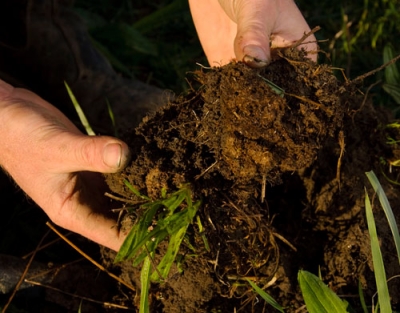
Soil tests should be the first step for farmers trying to manage budgets while maintaining pasture productivity, says fertiliser co-op Ballance.
Ballance science extension manager Ian Tarbotton says keeping soils fertile is good insurance with pasture an essential feed source, but gut instinct or experience won’t lead to good decisions on what to spend or save.
“Soil tests will show you what you have to work with and they are the best guide to decisions on a fertiliser budget.”
Tarbotton points to three main nutrients for soil fertility: phosphorus, sulphur and potassium; how they behave in soil provides a clue for application decisions.
“Sulphur is mobile in the soil, so usually requires annual applications. Potassium can leach too, notably on coarse textured soils. Phosphorus gets stored in the soil, so depending on reserves it may be possible to defer phosphate fertiliser application. Some nutrients, such as magnesium and calcium, could be supplied directly to stock as a short-term measure.”
Phosphorus is a key driver of production so, if possible, levels should be kept in the optimum range and testing will confirm whether levels need attention.
If sedimentary soil is above the optimum Olsen P range of more than 40, then cutting out phosphate maintenance for a year will not affect production. If the range is more than 30, then half maintenance of phosphate will not lead to noticeable impacts.