A much revised farmer consultation roadshow on how to deal with climate change begins this week amid serious misgivings about it taking place while a highly transmissable Covid variant is taking hold in NZ.
Feedback is being sought on two emissions pricing options developed by the world-first Primary Sector Climate Action Partnership, He Waka Eke Noa, which includes DairyNZ, Beef+Lamb NZ (B+LNZ) and Federated Farmers. The partnership was created to come up with a better solution after the Government legislated to put agriculture emissions into the New Zealand Emissions Trading Scheme (ETS).
DairyNZ and B+LNZ are running the roadshow, which was dure to kick off two weeks ago, but was delayed while changes to the programme were made to align it with the rules of the Government's 'red traffic light' setting. These included fewer actual face-to-face meetings, more online options and restricting numbers at each of the 27 meetings to a maximum of 100 people. The first meetings will be in Waikato and Southland on February 8.
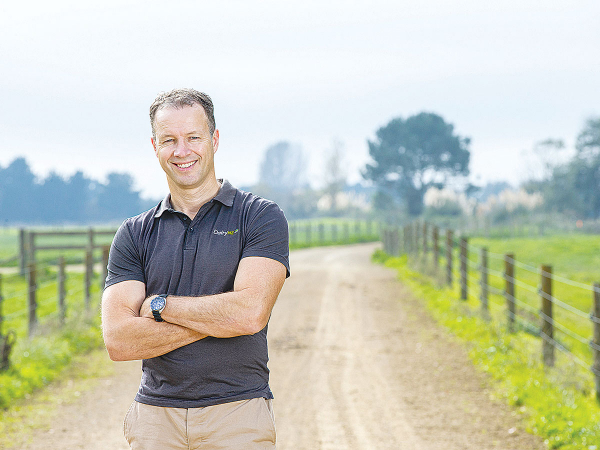
As part of requirements to limit numbers to 100, those farmers who registered for the original event are being asked to re-register. DairyNZ chief executive Tim Mackle says this is because some of the dates and places have now changed. He says only farmers will be able to attend and separate arrangements are being made for rural professionals who earlier indicated a desire to attend the meetings.
Mackle says DairyNZ and B+LNZ have reduced the number of their teams involved in the roadshow and are doing their best to use directors and managers in local areas where possible, rather than flying people around the country. Mackle says getting quality feedback from farmers on He Waka Eke Noa is a big deal for the industry and it's important that farmers get the opportunity to ask the hard questions about the proposal. He says with Omicron around, the feedback he is getting is that many farmers will not come and may opt for online options.
"But the reality is that we won't know how many people will be coming along until we see the registrations," he says.