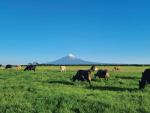
Southerly Winds Hit Taranaki Dairy Pasture Growth
A spate of southerly winds bringing cold temperatures has presented challenges for Taranaki dairy farmers.




 increase font size
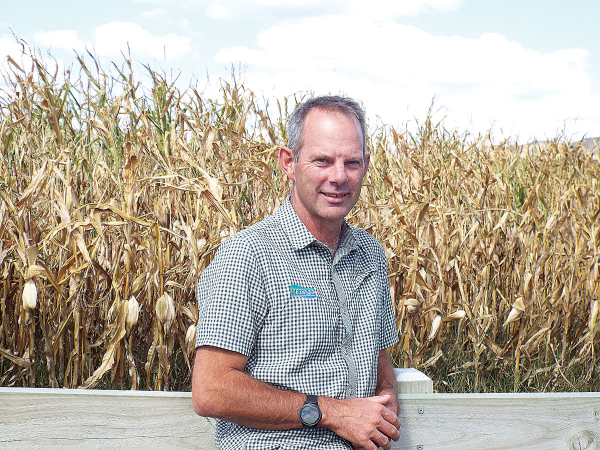 Ag First chief executive James Allen says dairy farmer optimism is on the rise on the back of positive milk price forecast.
Ag First chief executive James Allen says dairy farmer optimism is on the rise.
This comes on the back of some very positive financial news about the payout with ASB Bank forecasting a milk price of $10.25/kgMS.
Allen says there's going to be some very strong cash flows this season, all being well, and adds that this may extend into next season. He says interest rates are coming down and inflation appears to be under control.
"So, there is definitely a bounce back and more optimism among farmers," he says.
In terms of the season, Allen says it's a bit of a mixed bag. He says Southland had a challenging season and Canterbury is looking pretty strong with some moisture there saving a bit on irrigation. He says Taranaki has been drying out a bit but rain in the past few days has helped the situation.
"Waikato is dry and there is probably an orange flag there. But probably most farmers have got a year's supply of supplement tucked away and just about all our clients are planning to use that supplement to extend lactation," he says.
He says overall Northland was getting extremely dry but now it has had a reprieve with recent rain.
Meanwhile on the West Coast of the South Island, things are tough according to Fed Farmers local dairy chair Frano Volckman who farms 900 cows at Karamea.
The soils on the West Coast are stoney and need regular rain to counteract any soil moisture deficit.
He says much of the coast had a record wet spring which posed challenges and says they are now well and truly dried out and in much need of rain. To deal with the variable weather, Volckman says many farmers have been dipping into their silage reserves just because of the lack of growth with the heat and dry.
"Hopefully we'll get a few kind months and can bank some more silage to take through to the winter. But I think people will have dipped well into their reserves which will put a bit of pressure coming into the winter," he says.
Despite the variable weather, Volckman says milk production levels across the coast have held and people have done a really good job keeping their cows in good condition and feeding them well in order to maintain production.
A spate of southerly winds bringing cold temperatures has presented challenges for Taranaki dairy farmers.
Will the good times last? That's one of the key issues to come out of the latest Federated Farmers confidence survey.
Surprised, humbled and quite thrilled. That’s the reaction of James Allen, one of the founding partners and now chief executive of AgFirst, on being made a life member of the Institute of Rural Professionals.
A warning to dairy farmers not to expect the same good conditions that they experienced last season, has been issued by a leading farm consultant.
Wool Impact and ASB have signed a new partnership with the bank set to provide financial backing to support the revitalisation of New Zealand's strong wool industry.


South of the central Hawke’s Bay town of Waipukurau is Taniwha Station – a highly successful 550ha bull beef farming operation.
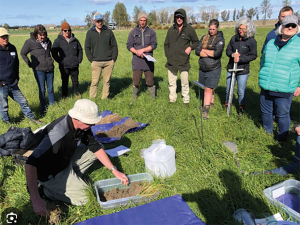
Beef + Lamb NZ funded research has shown that some simple changes to pasture management could help farmers make better use of rainfall and build resilience before dry conditions hit.
OPINION: There could hardly be a more appropriate theme for a conference than the one chosen by the red meat sector - Navigating Volatility.
When Northland leather worker Vernon Suckling started making horse saddles 50 years ago, quad bikes and side-by-side vehicles were unheard of.
Alliance Group has confirmed that eligible farmer-shareholders who supply and continue to back the business will receive up to $20 million later this year, following the strategic investment partnership with Dawn Meats.
With a general election under five weeks away, Rural News is asking major political parties about their policies and positions on key issues facing the primary sector. We will run their responses to each question over the next four weeks. The ACT Party and the Greens didn't respond in time.
OPINION: It seems Canterbury processor Synlait is still in the doldrums.
OPINION: Get offside with New Zealand First leader Winston Peters at your own peril.




