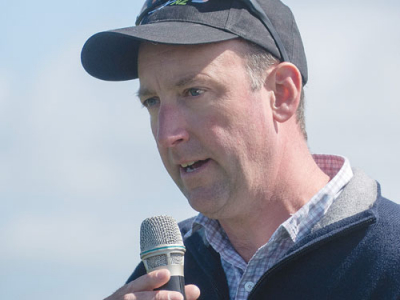
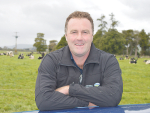
DairyNZ biosecurity manager Chris Morley, a vet with long experience with Mycoplasma bovis in Canada and his native UK, says NZ is unusual in its “open” farming systems.
Morely told a public meeting in Ashburton earlier this month that common practices here are off-grazing, lease bulls and the sharemilking system. Farmers form herds at the changeover time of year, perhaps leasing 100 cows and buying another 50 to get the numbers up, he said.
“We move animals around very freely and that’s been convenient and it’s a profitable model. Unfortunately that model is not a good model if [it contributes to M. bovis staying here],” said Morley.
“And that’s why MPI is up at the plate at the moment with industry trying to stop it.
“Because we don’t want it to mess with our model, but that’s the reality: if you’re moving animals around that’s how it spreads.”
Mackle said he had cleared his desk to make it to the Methven and Ashburton meetings, which followed the first confirmed M. bovis infection in the Ashburton district.
Although DairyNZ is closely involved in the disease response, the Ashburton meeting was the first he had been able to attend in districts known to have the disease.
He applauded farmers’ turnout and willingness to move against the disease, finding out what they could do together and individually.
“A good response effort is going on right now but fundamentally – and this is why bulk milk testing is so critical – we still don’t know with absolute confidence where this disease is and where it’s not,” he said.