DairyNZ has launched its new strategy with a great focus on impacts and outcomes for its levy-paying farmers.
The new strategy, launched June 1, follows consultations with farmers which included shed meetings. It will see DairyNZ collaborating more with rural professionals and industry groups like Dairy Women’s Network to help farmers achieve their desired outcomes.
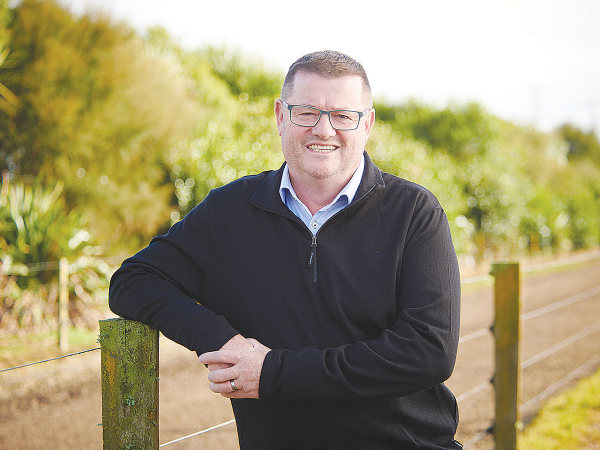
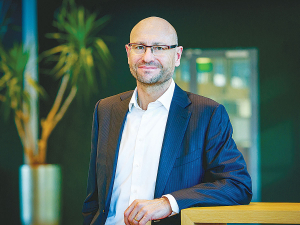
DairyNZ chief executive Campbell Parker, who took over eight months ago, says DairyNZ cannot continue to be everything to everyone.
“For an industry good organisation, being everything to everyone can be a challenge,” he told Dairy News.
The new strategy is based around three key principles: accelerating on-farm productivity; powering more adaptable and resilient farms; and enabling sustainable and competitive dairying.
The new strategy includes de-establishing some roles and creating new ones. As a result, there has been net reduction of “less than 10%” in the workforce.
At the same time, field-based teams in regions have been boosted back to pre- Covid levels.
Parker says DairyNZ has “run the ruler” over the business, which has historically run deficits.
“We take that seriously and our vision is to make the best use of the levy investment and run a sustainable business.”
Parker says the new strategy includes increased clarity and focus, a willingness to partner more with others across the sector (including rural professionals), and a greater focus on the impact and outcomes.
“What will we see less of is doubling up with the work of others, or playing where others are best placed to take the lead.
“To continue achieving positive progress for New Zealand dairy farmers and the sector, we need to adapt with farmers in a world that is becoming more complex,” he adds.
Parker says DairyNZ has achieved some great outcomes with farmers to date, through its science- based solutions, topic-based events, advocacy activity with government, and working with partners in the sector to deliver a range of different support services and opportunities.
“However, while we currently offer a broad variety of tools and services, farmers have told us the value we add and what sets us apart, isn’t clear.
“So, we have taken a good look at what we do and how we do it. We have looked at what our strengths are, and the unique difference we can offer to provide the most value to farmers and the sector.
“We need to be clear on why we are here and what we offer, to provide a more valuable experience when connecting with us. We also recognise that while we have a unique, science-based approach to on-farm and sector solutions, there are some areas of support where others are better placed to assist.”
Key Changes
Long-term focus
Research and farm systems expertise means DairyNZ is well placed to address key long-term challenges to help farmers to remain profitable and sustainable and the sector to remain internationally competitive. Farmers can still access the good work that’s been done in the past, but going forward DairyNZ will be focusing on what they, as a sector, need for the future.
Fewer, better events
Approach to events changing. DairyNZ will still offer opportunities for farmers to connect with other farmers, however, to provide an experience with greater value, events will be larger and replace the many small, more frequent events we have been running. It will strengthen digital platforms so that farmers and others in the sector can access our farming knowledge more easily.
High-impact partnerships
Achieving positive progress for the New Zealand dairy sector is not something DairyNZ can do on its own. This new direction means it will stop duplicating what others do at an individual farm level and collaborate across the sector through high impact partnerships to solve the longer-term challenges. It will focus on sharing our knowledge, working together on events, and acting as a navigator to services provided by partners. This will provide stronger reach and impact of its work.