Why Now Is the Time to Plan Farm Succession, Findex Says
OPINION: Succession and long-term planning are perennial topics because it is perpetually sidelined on busy farms.




 increase font size

NORTHLAND DAIRY farmers need to take action to ensure the impact of recent wet weather is not carried over into coming seasons.
DairyNZ Northland regional leader Tafi Manjala says the region has experienced its wettest winter in decades, all off the back of a drought.
"It's important farmers make these storm experiences a one year event and not a three year catch-up," says Manjala.
Farmers should be focusing on minimising pugging damage, getting their cows and heifers in-calf and utilising all the help available from other farmers and rural professionals.
"It's important that farmers assess their pastures daily and avoid pugging damage that can reduce pasture production by up to 50% for six weeks or longer," says Manjala.
"Using on-off grazing by standing cattle off-paddock is the most effective grazing strategy."
Tafi says getting cows and heifers in-calf should now be a priority. "Many cows and heifers have lost excessive body condition during and after the adverse weather and this is placing dairy herd in-calf rates at risk," he says.
"Farmers should be assessing their herds and take proactive action with cows with a body condition score less than 4 to minimise the impact on their herds' in-calf rate."
"Farmers should also be exploring supplement options now."
Pre-mating heat detection is more important this year than ever to identify non-cycling cows and take action early.
Farmers are advised to take advantage of the advice available from their rural advisers, other farmers and attend a DairyNZ discussion group (dairynz.co.nz/events).
OPINION: Succession and long-term planning are perennial topics because it is perpetually sidelined on busy farms.
Farms across the upper North Island are trialling different pasture mixes as part of a research programme that aims to build greater resilience into farming systems.
Election years are always a concerning time for farmers, according to DairyNZ chair Tracy Brown.
Matt Collier, Probiotic Revolution, says calves will drink a lot of milk once-a-day with their probiotic Calf Xtreme.


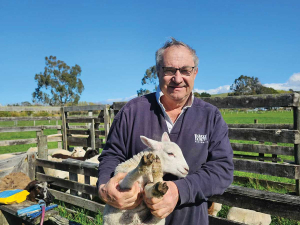
Decades piloting planes has ensured vet and farmer David Hayes is focused on safety. So, after a serious accident while welding on farm, he is sharing his experience so others can learn from it.
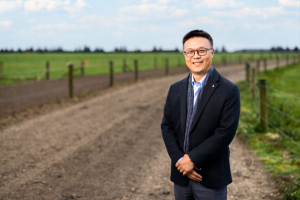
Canterbury milk processor, Synlait Milk has confirmed Leon Fung as its chief executive officer.
OPINION: Making it easier to collect rainwater and use it to grow crops and livestock is a no brainer.
As part of its Election 2026 coverage, Rural News asked political parties how they would help pull the arable sector out of the doldrums. Here's what they said:
Farmers are being encouraged to rethink how they manage waste on farm with the launch of ruralwastesorted.co.nz, a new website bringing together practical tips, real farmer experiences and resources.
New Zealand Winegrowers (NZW) is celebrating the India-New Zealand Free Trade Agreement (FTA) coming into force today, bringing New Zealand wine improved access to one of the world’s fastest-growing economies.
OPINION: It seems Canterbury processor Synlait is still in the doldrums.
OPINION: Get offside with New Zealand First leader Winston Peters at your own peril.