DairyNZ is holding its AGM in South Canterbury next Thursday, October 16, at 11am at the Grosvenor Hotel in Timaru.
DairyNZ chairman John Luxton says it's the first time DairyNZ has held an AGM in South Canterbury.
DairyNZ has an annual budget of $89 million comprised of its levy on dairy farmers and other research funding, says Mr Luxton.
Luxton says the next season will be a tough one for farmers because of the forecast lower milk price. "But the long term prospects are still strong for dairying, and we have an industry strategy for delivering another $3.7 billion worth of additional export earnings to the New Zealand economy by 2020."
Luxton says a lot of that DairyNZ's budget goes into research, environmental initiatives and the development of innovative technologies and solutions to meet the future needs of dairy farms. "Now with the looming prospect of a lower milk price, dairy farmers will be focused on reducing production costs. It's a timely reminder of the volatility of our industry."
Luxton says last season the payout was the highest on record and farmers in South Canterbury increased their milk production by about 7% 90 million kgMS. That yielded $700 million in milk production revenue for the area. That's money that circulates in a community because nearly half a farmer's milk income is spent on farm working expenses like feed, seed, fertiliser, animal health, staff and maintenance.
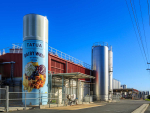
"There are more than 1900 people employed in the South Canterbury dairy sector and that's around 7.4% of regional employment. And that's not including all the self-employed farm owners and sharemilkers running dairy farm businesses locally. Fonterra's Clandeboye manufacturing site has more than 800 staff and processes up to 13.2 million litres of milk per day. This equates to more than 40% of all milk collected by Fonterra in the South Island. Dairying is a big part of the local economy and we need it to be a resilient industry that can withstand fluctuating milk prices.
"The new Oceania dairy factory built in Glenavy shows confidence in dairying in the region. The construction and running of this plant will provide considerable economic benefit for the region and it will employ around 70 people at peak production," he says.
"Everyone needs dairying to remain competitive, but we know that we also need to farm responsibly and focus on reducing our environmental impact.
"We want to make dairy farming work for everyone so a lot of our focus at DairyNZ is on helping farmers with how to farm profitably but with a lower environmental footprint.
"That's a pretty topical issue in Canterbury at the moment because of the new Canterbury Land and Water Regional Plan. We've been reviewing all the technical work to understand the implications for dairy farmers so we can give them good advice," says Luxton.