Fonterra Elections 2026: Voting Opens Tuesday 20 October
Fonterra shareholders can begin voting on Tuesday 20 October in the 2026 Board of Directors’ election, a Co-operative Council election in one Ward, and seven Annual Meeting resolutions.




 increase font size
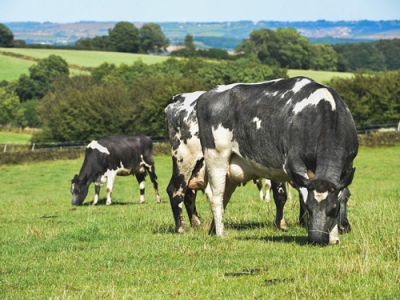 Fonterra has forecast an opening market-linked organic milk price of $9.20/kgMS for the 2016/17 season.
Fonterra has forecast an opening market-linked organic milk price of $9.20/kgMS for the 2016/17 season.
This follows the cooperative's recent announcement that it plans to introduce a market-linked organic milk price for its organic milk farmers.
Paul Grave, head of cooperative affairs, Waikato, says while the opening forecast organic milk price is a big step up from the $5.65/kgMS payment organic farmers currently receive (the organic fixed premium on top of the Farmgate Milk Price), it reflects consistently high prices for organic milk products in its global markets.
Grave says the marketplace for organic milk is very competitive and the market-linked organic milk price will help Fonterra to secure a steady stream of organic milk.
"The growth of the organics business is good news for the whole cooperative. Organic farmers actively participate in creating value by providing Fonterra with a certified organic milk stream and all farmer shareholders share in the value created by the organic business through dividend payments."
Increasing demand for organic milk products, and organic food in general, is leading to high prices for these products in international markets. While global milk prices have been volatile recently, prices for organic dairy ingredients have remained at the same relatively high levels since 2013/14, says Grave.
"Organic milk prices are high because consumers' appetite for organic milk products is growing faster than supply."
The margins the cooperative is achieving on its organic milk products are similar to some of its highest-earning consumer and food service products, says Grave.
"By selling higher-value products at premium market rates, the long-term organics strategy reflects Fonterra's priority to drive more value from every drop of milk."
Grave says Fonterra's organics business has been consistently profitable recently and has paid back the cooperative's investment in the business.
"Organics is a profitable business. The cooperative is focused on growing its organics business to benefit from the consistently high global market prices so that it can increase returns from this business for the benefit of all our farmers", says Grave.
Fonterra shareholders can begin voting on Tuesday 20 October in the 2026 Board of Directors’ election, a Co-operative Council election in one Ward, and seven Annual Meeting resolutions.

Fonterra Co-operative Group chief financial officer Andrew Murray has resigned to take up a role outside the dairy giant.
Four candidates have been confirmed for two director positions on Fonterra’s board.
A record farmgate milk price and strong global demand is laying the foundation for continued growth of organic dairy farming in New Zealand.
Waikato milk processor Tatua has again declared a record milk payout to farmer shareholders, leaving other processors in the dust.


Federated Farmers has welcomed new rural policies released by ACT, saying they align closely with its own election priorities.

Rural Contractors NZ says proposed changes to land transport rules for agricultural vehicles are a welcome response by the Government to out of date regulations which have seen members hit with huge fines.
Alliance is calling for final applications for its 2027 Graduate Programme, with applications closing on Sunday 25 October.
Decades piloting planes has ensured vet and farmer David Hayes is focused on safety. So, after a serious accident while welding on farm, he is sharing his experience so others can learn from it.
Canterbury milk processor, Synlait Milk has confirmed Leon Fung as its chief executive officer.
OPINION: Making it easier to collect rainwater and use it to grow crops and livestock is a no brainer.

OPINION: It seems Canterbury processor Synlait is still in the doldrums.
OPINION: Get offside with New Zealand First leader Winston Peters at your own peril.




