
Fonterra CFO Andrew Murray Resigns
Fonterra Co-operative Group chief financial officer Andrew Murray has resigned to take up a role outside the dairy giant.




 increase font size

FONTERRA HAS bought the assets of Tasmanian yoghurt business, Tamar Valley Dairy, further strengthening its position in the Australian dairy industry.
Fonterra will acquire the processing equipment, the related services, and intellectual property and trademark for the Tamar Valley Dairy brand. The acquisition is effective towards the end of November (subject to completion of the sale), with the exact date to be confirmed.
"Fonterra is a long-standing partner of Tamar Valley Dairy, and has supported and worked closely with the administrators of the family-owned business during what has recently been a difficult period for the Tasmanian business and its founders," says Judith Swales, managing director, Fonterra Australia.
"The founding family has created a business with strong capability and innovation, known for producing new yoghurt formats and formulations, and in a relatively short timeframe they have built a national brand in Tamar Valley Dairy."
Fonterra plans to invest further to improve the manufacturing assets, upgrade quality and safety systems, invest in people in the business, and build capability for further innovation in the yoghurt category.
The Tamar Valley Dairy site will be fully integrated into Fonterra's Tasmanian and Australian manufacturing footprint, creating greater efficiencies and scale, while ensuring that Tamar Valley Dairy's innovation and its Tasmanian origin continues.
"Fonterra is committed to the total value chain in Tasmania - from farmers, to employees, suppliers and services, and to the current and future Australian customers and consumers the world-class operation and its products will attract.
"Acquiring the Tamar Valley Dairy yoghurt business is an important step in strengthening Fonterra's strong national position in the chilled dairy segment in Australia, and complements our existing yoghurt portfolio, where we hold a market-leading position in mainstream yoghurt through the Nestlé SKI brand.
"In reaching today's agreement, the parties have worked closely to move the business forward, while addressing two key considerations - that the business remains in Tasmania, which Fonterra is committed to, and that as many Tamar Valley Dairy employees as possible remain employed," Ms Swales says.
Over the next month, Fonterra will work closely with the people at Tamar Valley Dairy to determine the roles and right employees for these roles to ensure a seamless transition and continuity of operations under Fonterra ownership.
"Tamar Valley Dairy has a strong future. We see tremendous opportunities to build a sustainable, competitive business for the long term."
In Tasmania, Fonterra operates two manufacturing facilities at Spreyton and Wynyard, and is responsible for processing over half of Tasmania's milk. Fonterra collects almost 500 million litres of milk from almost 260 dairy farms each year, and employs 220 people. Over the last two years Fonterra has invested $20 million in these operations
Fonterra Co-operative Group chief financial officer Andrew Murray has resigned to take up a role outside the dairy giant.

Four candidates have been confirmed for two director positions on Fonterra’s board.
A record farmgate milk price and strong global demand is laying the foundation for continued growth of organic dairy farming in New Zealand.
Waikato milk processor Tatua has again declared a record milk payout to farmer shareholders, leaving other processors in the dust.
Fonterra has unveiled its annual results for the 2026 financial year, posting $27 billion in revenue and close to $20 billion returned to New Zealand farmer owners and unit holders.


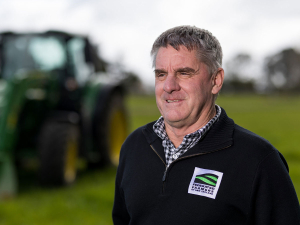
National’s pledge to introduce 19 new national standards shows the party is serious about getting Wellington out of farming, Federated Farmers says.
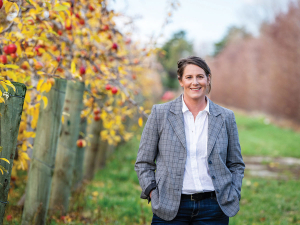
The National Party’s policies to make it easier to grow fresh vegetables, secure reliable water and energy and simplify farm planning are practical changes that will give growers the confidence to invest, according to Horticulture New Zealand (HortNZ).
Fonterra Co-operative Group chief financial officer Andrew Murray has resigned to take up a role outside the dairy giant.
A major move is about to get underway to improve the quality and viability of dairy beef and cattle in NZ.
Veterinarians say changes to the code of welfare for dairy cattle provides a positive foundation for improved cattle welfare across the country.
Today, 15 October, is the International Day of Rural Women, which recognises rural women’s contribution to farming, communities and the environment.




OPINION: It seems Canterbury processor Synlait is still in the doldrums.
OPINION: Get offside with New Zealand First leader Winston Peters at your own peril.




