
NZ Apple Sector Pushes for Japan & Korea Market Access
The apple sector is working with the Government to unlock access to two key markets that could bring millions in revenue for apple growers.




 increase font size
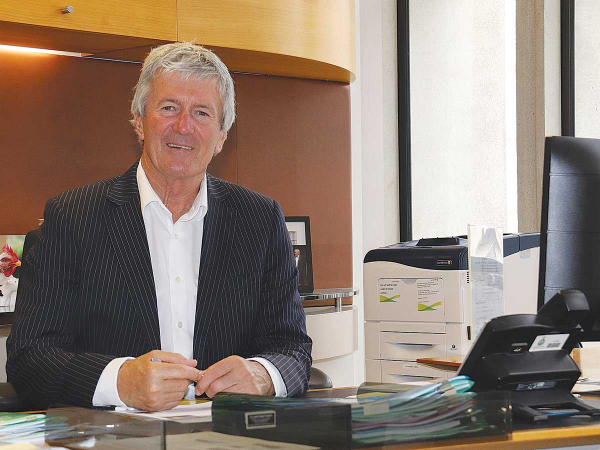 Trade and Export Minister Damien O'Connor.
News that NZ and the UK have agreed 'in principle' to the terms of the free trade agreement (FTA) will come as welcome news to the dairy sector.
The announcement was made at Parliament last week by Prime Minister Jacinda Ardern and Trade and Export Growth Minister Damien O'Connor. The agreement 'in principle' means the deal has been done, with just the final text to be worked through in the coming months.
Ardern says it's one of NZ's best deals ever and is secured at a crucial time in the Covid recovery. She says it will serve our economy and exporters well.
The deal comes just a week after O'Connor met with the UK's Trade Secretary Anne-Marie Trevelyan in Italy and the word from those discussions was that announcement on an FTA was imminent.
Speaking from MIQ following his recent trip to Europe, O'Connor says he's proud of what NZ has achieved in the negotiations with 97% of tariffs being eliminated on our products entering the UK.
"There will be a transition period for our butter, cheese, beef and sheep meat producers during which time they will enjoy significant tariff-free transitional quotas.
"This provides great opportunity to grow our trade through these periods. For instance, 7000 tonnes of butter, and 24,000 tonnes of cheese can flow to the UK market tariff-free at commencement. That will grow to 15,000 for butter, and 48,000 for cheese by Year 5, after which point trade will be free," he says.
In return NZ will fully liberalise tariffs on UK goods entering our country.
"This FTA is comprehensive, inclusive and high quality and provides fantastic opportunity for our exporters," O'Connor says.
The apple sector is working with the Government to unlock access to two key markets that could bring millions in revenue for apple growers.
A miserable budget that didn’t deliver much for anyone.
National's decision to ‘dribble’ information about the NZ/India to Labour contributed to the delay in it deciding to supported the FTA.
OPINION: Your old mate hears an international incident is threatening to blow up the long-standing Anzac alliance as Kiwis and Aussies argue over who wants new Australian resident and former NZ Prime Minister Jacinda Ardern.
When it comes to international trade, politicians from all sides of the aisle are united, says Labour's trade spokesman Damien O'Connor.


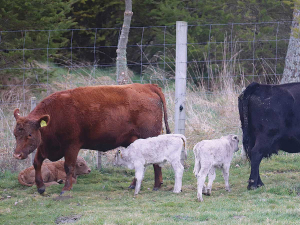
A major move is about to get underway to improve the quality and viability of dairy beef and cattle in NZ.
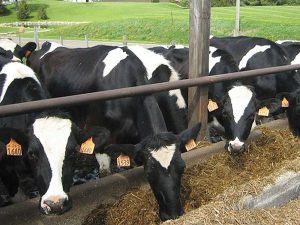
Veterinarians say changes to the code of welfare for dairy cattle provides a positive foundation for improved cattle welfare across the country.
Today, 15 October, is the International Day of Rural Women, which recognises rural women’s contribution to farming, communities and the environment.
Global dairy giant Lactalis has integrated its Australian operations with the Mainland Dairy consumer business it acquired from Fonterra earlier this year.
After almost two decades of sharemilking, saving and building equity, Aaron and Marcia Flay this year realised their long-held dream of settling on their first dairy farm.
Good medium to long term prospects for NZ beef, especially in the US, has heighted the focus on various initiatives to capitalise on this situation.



OPINION: It seems Canterbury processor Synlait is still in the doldrums.
OPINION: Get offside with New Zealand First leader Winston Peters at your own peril.




