International Day of Rural Women: Two DairyNZ Farmers’ Stories
Today, 15 October, is the International Day of Rural Women, which recognises rural women’s contribution to farming, communities and the environment.




 increase font size
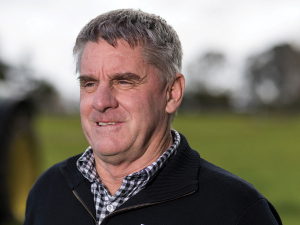
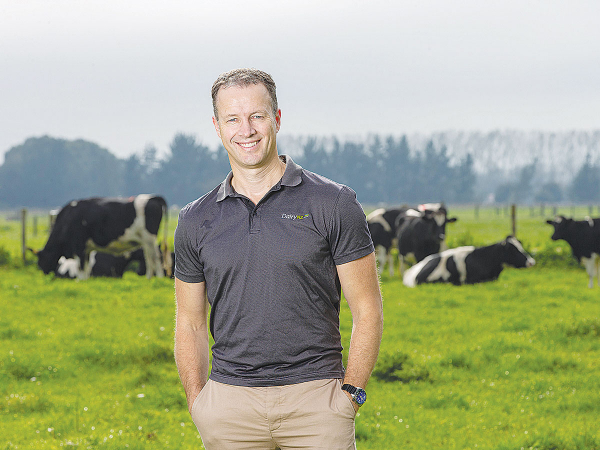 DairyNZ chief executive Tim Mackle says farmers are feeling the pressure of constant regulatory changes.
Dairy farmers want the Government to work more closely with the sector.
Views of 425 farmers, collected as part of DairyNZ's 'View from the Cowshed' survey, show they are getting fed up of regulatory changes coming from the Government.
DairyNZ chief executive Tim Mackle says it's critical the Government work more closely with farmers to support investment in research and development, so farmers can continue working to reduce their environmental footprint while maintaining profitability.
"This year's survey indicates farmers are making on-farm changes to improve their environmental management and their workplaces, but are feeling under pressure from constant regulatory changes," says Mackle.
"We want to see more focus on ensuring regulations are fair, practical and don't overburden farmers with too many different requirements."
Dairy is New Zealand's leading export sector, employs 50,000 Kiwis and is forecast to contribute over $40 billion to economy this year.
Mackle says it's important for our country's success that farmers are supported to keep contributing to New Zealand.
Of those farmers surveyed, 57% said changing Government regulations are causing them stress, with 55% also saying perception of dairy farmers by the public and in media was also keeping them up at night. A further 67% of farmers feel there isn't enough support for farmers dealing with mental health issues.
Positively, the survey revealed 70% of farmers surveyed have a Farm Environment Plan - a key tool farmers use to identify and manage environmental risks through adopting good farming practices.
"Dairy farmers are operating in a complex environment and managing a lot of challenges. Around half previously reported being short-staffed and 45% don't have the internet service they need to efficiently run farm operations," says Mackle.
In the past two years, the Government has proposed changes to policy on freshwater management, wintering, climate change, biodiversity and vehicle taxes which would all significantly impact on farmers.
These issues may have contributed to 32% of farmers saying they feel less positive about farming than 12 months ago - despite strong milk prices. Only 17% reported they felt more positive.
Matamata dairy farmer Sam Owen says there isn't one cause of mental health issues in rural communities.
 |
|---|
|
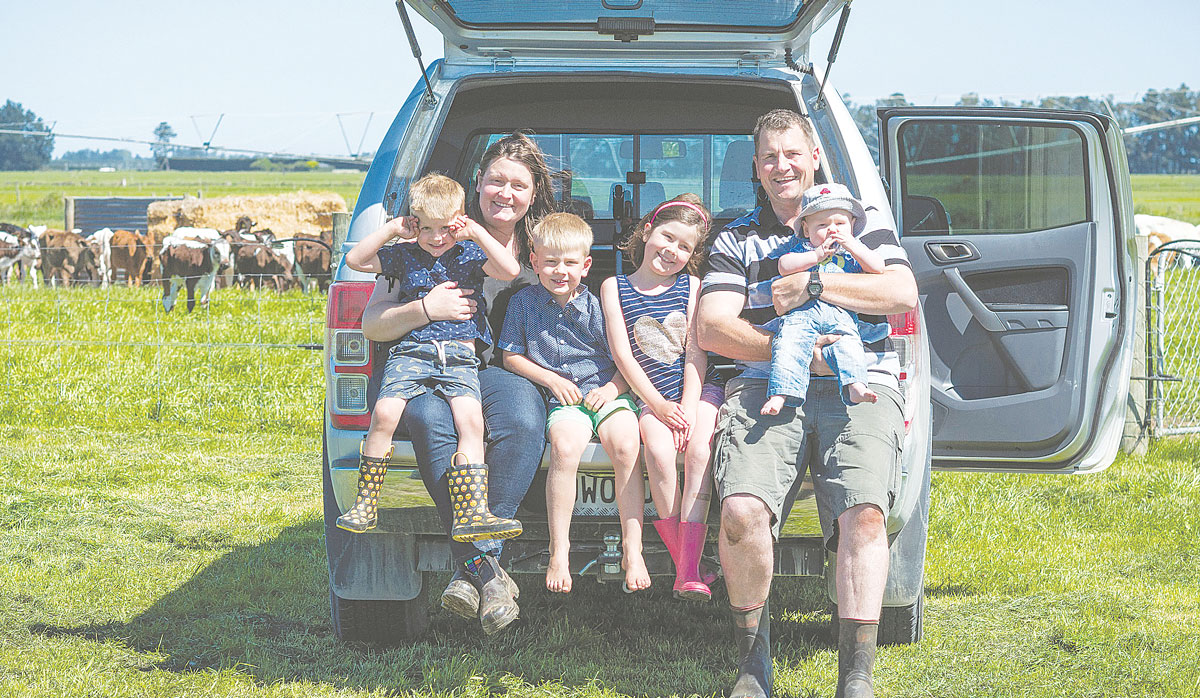
The View from the Cowshed survey summarises the top of mind concerns of Kiwi dairy farmers, like the Woodward family of Otorohanga. |
"It's a combination of things like the labour market, changing regulations and negative media. Most people can cope with one thing, but when there are lots of things coming at you at once, it can push you over the edge."
DairyNZ has compiled ten recommendations to address farmer concerns. The organisation will issue a copy of The View from the Cowshed report to all members of Parliament and request meetings to discuss the findings.
"We know these issues aren't going to go away overnight, but making these ten changes would make a real difference to the lives and wellbeing of rural New Zealanders," Mackle says.
Ten Ways to Help
1. Slow down the speed and scale of regulatory change farmers are facing
Farmers know a shift is needed but there is too much at once, and it's uncoordinated. Farmers are feeling overloaded.
2. Help the sector overcome our workforce challenges
Supporting clear pathways into dairy jobs for local and international workers.
3. Actively partner with farmers and rural communities
Support farming communities to drive change behind the farm gate that will lead to better environmental outcomes when it comes to the climate, water quality and biodiversity.
4. Set a clear strategy for R&D
We need a good strategy that is properly resourced to help us tackle the big challenges we face as a country. Science is the solution to many of our challenges.
5. Proudly champion our world-leading split gas approach internationally
Advocate for split gas and the exploration of alternative metrics like GWP* that better reflect the warming impact of methane.
6. Invest significantly in improved digital connectivity
Our rural communities don't have adequate broadband or mobile coverage. This is an enabler that will unlock multiple benefits for our sector.
7. Give farmers certainty and rule out DIN
Categorically rule out consideration of a national bottom line for Dissolved Inorganic Nitrogen (DIN). There are better ways to achieve the freshwater outcomes we all want.
8. Work with us on biosecurity
Work with industry to prioritise implementing recommendations from the independent review of M. bovis, address essential system gaps and work with industry to enable a streamlined, efficient model for biosecurity readiness and responses.
9. Remove the ute tax
Exempt farmers from the 'ute tax' until low emission alternatives are readily available in New Zealand that are fit-for-purpose on farm.
10. Rework the National Policy Statement for Indigenous Biodiversity
In consultation with farmers, ensure the NPS will meet our biodiversity objectives, while also working for landowners.
Today, 15 October, is the International Day of Rural Women, which recognises rural women’s contribution to farming, communities and the environment.
The first major update to the Dairy Cattle Code of Welfare in more than a decade has been released, marking what DairyNZ describes as an important step in ensuring animal welfare standards continue to evolve alongside scientific evidence and on-farm realities.
Have a plan in place for your cows and staff.
DairyNZ deputy chair Cameron Henderson has been re-appointed unopposed for another term.
OPINION: The stats speak for themselves.


Federated Farmers has welcomed new rural policies released by ACT, saying they align closely with its own election priorities.

Rural Contractors NZ says proposed changes to land transport rules for agricultural vehicles are a welcome response by the Government to out of date regulations which have seen members hit with huge fines.
Alliance is calling for final applications for its 2027 Graduate Programme, with applications closing on Sunday 25 October.
Decades piloting planes has ensured vet and farmer David Hayes is focused on safety. So, after a serious accident while welding on farm, he is sharing his experience so others can learn from it.
Canterbury milk processor, Synlait Milk has confirmed Leon Fung as its chief executive officer.
OPINION: Making it easier to collect rainwater and use it to grow crops and livestock is a no brainer.




OPINION: It seems Canterbury processor Synlait is still in the doldrums.
OPINION: Get offside with New Zealand First leader Winston Peters at your own peril.




