Damien O’Connor Criticises Budget 2026 as ‘Miserable’ for Rural New Zealand
A miserable budget that didn’t deliver much for anyone.




 increase font size
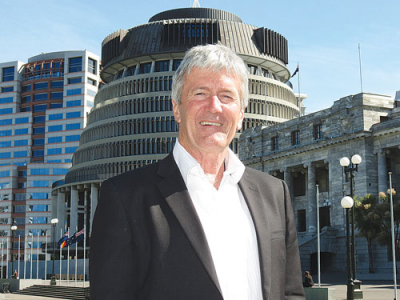 Agriculture Minister Damien O’Connor.
The primary sector has not been good at engaging, connecting and understanding Māori, says Agriculture Minister Damien O’Connor.
He told Federated Farmers annual conference last week that Māori agribusiness will be a big part of New Zealand’s future. Māori have huge land holdings and huge potential, they don’t sell their land and will be here forever, he said.
So NZ must do better at connecting with Māori and their aspirations and appreciating and utilising their values such as kaitiakitanga (guardianship, wise utilisation not preservation), and manaakitanga (sharing the goods we have with others).
“These are the things that will drive us into the future because the new consumers -- our children -- have values different from those we grew up with. They are not bad, they are just different, and they are looking for different things.
“In my view and experience those underlying values of sustainability and sharing and caring are what drive decisionmaking at the consumer level.”
O’Connor says more people are looking for sustainability in our products. They want to know we care about our environment and are engaged in climate change initiatives.
“This is the new world in which we are selling our products. We have to be the Swiss watch producers of protein products – the very very best, worthy of the highest possible prices and selling to people less concerned about price and more concerned about value.”
NZ must ensure all its primary industry is seen in a positive light. The dairy industry has been challenged on this and so has tourism, O’Connor said. This must be worked through.
Primary sector growth has been spectacular in the past year -- 7% growth and $45 billion in export earnings.
“But we need better health and education. [We struggle] to attract and retain passionate young enthusiastic people to our sector. Every sector is complaining they can’t get enough of these people.”
A miserable budget that didn’t deliver much for anyone.

National's decision to ‘dribble’ information about the NZ/India to Labour contributed to the delay in it deciding to supported the FTA.
When it comes to international trade, politicians from all sides of the aisle are united, says Labour's trade spokesman Damien O'Connor.
Federated Farmers have reiterated their support for the coalition Government to abolish the present ban on the live export of animals.
As the coalition Government mulls new regulations to reinstate the export of live animals, debate is heating up between supporters and opponents.



Federated Farmers has welcomed new rural policies released by ACT, saying they align closely with its own election priorities.

Rural Contractors NZ says proposed changes to land transport rules for agricultural vehicles are a welcome response by the Government to out of date regulations which have seen members hit with huge fines.
Alliance is calling for final applications for its 2027 Graduate Programme, with applications closing on Sunday 25 October.
Decades piloting planes has ensured vet and farmer David Hayes is focused on safety. So, after a serious accident while welding on farm, he is sharing his experience so others can learn from it.
Canterbury milk processor, Synlait Milk has confirmed Leon Fung as its chief executive officer.
OPINION: Making it easier to collect rainwater and use it to grow crops and livestock is a no brainer.

OPINION: It seems Canterbury processor Synlait is still in the doldrums.
OPINION: Get offside with New Zealand First leader Winston Peters at your own peril.




