Rabobank Launches HortPathways for Emerging Hort Leaders
Twenty-eight emerging leaders from across the horticulture sector spent two days last month learning valuable skills and connecting with industry experts.




 increase font size
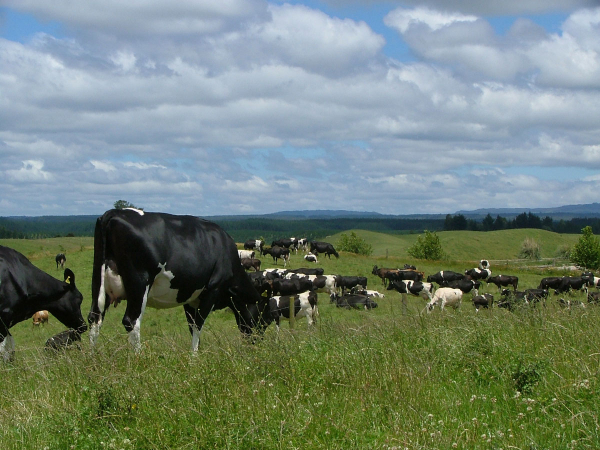 The overnight Global Dairy Trade auction saw the price index fall by 0.8% compared to the previous event.
New Zealand dairy prices are “still hanging in there,” relatively speaking, says US-based RaboResearch dairy analyst Tom Bailey.
The overnight Global Dairy Trade auction saw the price index fall by a slim 0.8% compared to the previous event.
Total volumes sold were 20% lower, aligned to seasonal declines, and broad expectations. Both WMP and SMP prices increased, 0.1% versus the last event. Prices for butter and AMF took a hit, down 5.8% and 2.4%, respectively.
Bailey says diving into the numbers, at first blush there is not a big story to tell.
“Offer volumes were largely unchanged for core products WMP and SMP.
“There was an increase in butter and AMF volumes, 42% and 3.5% respectively – helping to explain their price falls.”
Key results
AMF index down 2.4%, average price US$3,973/MT
Butter index down 5.8%, average price US$3,867/MT
Ched index down 6.8%, average price US$4,115/MT
LAC index up 7.9%, average price US$1,153/MT
RenCas index down 5.1%, average price US$8,891/MT
SMP index up 0.1%, average price US$2,373/MT
WMP index up 0.1%, average price US$2,745/MT
Twenty-eight emerging leaders from across the horticulture sector spent two days last month learning valuable skills and connecting with industry experts.

A 'tsunami' of milk from key exporting countries is winding down and this may be good news for New Zealand dairy farmers.
Milk powder prices are keeping farmgate prices up, helping processors offset the dip in milk fat prices.
Chinese beef trade quotas and a looming suspension of Brazilian beef imports into the European Union are expected to reshape global beef trade flows over the remainder of 2026, with implications for New Zealand exporters, according to Rabobank's Q3 Global Beef Quarterly report.
New Zealand consumers are paying more for beef mince than ever before, with the average retail price now sitting above $24 per kilogram, according to Rabobank.



National’s pledge to introduce 19 new national standards shows the party is serious about getting Wellington out of farming, Federated Farmers says.
The National Party’s policies to make it easier to grow fresh vegetables, secure reliable water and energy and simplify farm planning are practical changes that will give growers the confidence to invest, according to Horticulture New Zealand (HortNZ).
Fonterra Co-operative Group chief financial officer Andrew Murray has resigned to take up a role outside the dairy giant.
A major move is about to get underway to improve the quality and viability of dairy beef and cattle in NZ.
Veterinarians say changes to the code of welfare for dairy cattle provides a positive foundation for improved cattle welfare across the country.
Today, 15 October, is the International Day of Rural Women, which recognises rural women’s contribution to farming, communities and the environment.




OPINION: It seems Canterbury processor Synlait is still in the doldrums.
OPINION: Get offside with New Zealand First leader Winston Peters at your own peril.




