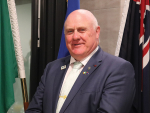
New Zealand and Ireland Extend $34.5m Climate Research Partnership for Agriculture
Ireland and NZ have concluded a deal to extend a joint research programme on climate change.




 increase font size
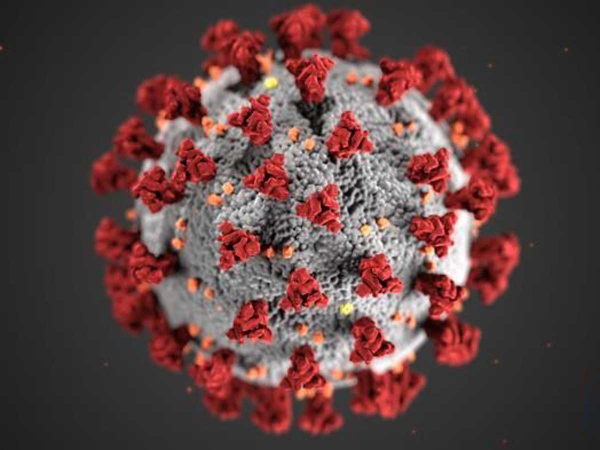 A New Zealander managing a large dairy farm in the UK says he is not sure that farmers in NZ realise the problems they are about to face.
Wake up, New Zealand: that’s the message from a New Zealander trying to manage a large dairy farm in the UK amid the COVID-19 outbreak.
A friend of the man who wishes to remain anonymous called Dairy News in a bid to make farmers in NZ aware of the situation in the UK which he describes as horrific.
The person whom we will call ‘Brian’ manages a large intensive dairy farm and has a staff of twelve says he’s not sure that farmers in NZ realise the problems they are about to face.
He is belatedly having to put in place a pandemic plan, but says his staff are stressed and falling ill – not to COVID-19, but colds and other forms of the flu. He says they are working long hours and with staff off sick, Brian is finding it difficult to get replacement staff.
“The virus hasn’t hit the cowshed yet, but people aren’t sleeping, are very stressed and this is having an impact on the whole operation,” he says.
Brian says he has developed a plan with a strong focus on social distancing and ensuring that staff are healthy. He says particular care is being taken on preventing farm accidents because he is not sure the health system can deal such serious accidents when the pressure goes on to deal with people who have COVID-19.
Brian says another problem that has arisen is theft. He says with panic buying in the UK, some shops have run out of milk and they have had instances of people coming at night and stealing milk from the vats. He says they are now having to put padlocks on these and increase their security on the property.
The person who rang Dairy News says people should look to history to prepare for the consequences of COVID-19.
She points to a noted Irish historian, Dr Ida Milne who has written extensively on the effects of the Spanish flu in Ireland. Dr Milne, an academic at Carlow College, she wrote a book called Stacking the Coffins – Influenza in Ireland in 1918-19 and is a recognised expert on disease research.
She says one of the consequences was that the men got sick and many died and it was left to rural women to run the farms, and the creameries.
Ireland and NZ have concluded a deal to extend a joint research programme on climate change.
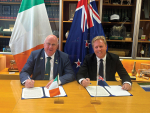
Ireland's Minister of state for Agriculture says it’s hard to explain to Irish farmers the size and scale of NZ farms.
OPINION: The previous government spent too much during the Covid-19 pandemic, despite warnings from officials, according to a briefing released by the Treasury.
OPINION: Labour leader Chris 'Chippy' Hipkins is carrying on the world-class gaslighting of the nation that he and his cohorts started after their disastrous Covid response; now trying to undermine the Covid inquiry to protect his own backside.
OPINION: Years of floods and low food prices have driven a dairy farm in England's northeast to stop milking its cows and instead charge visitors to cuddle them.


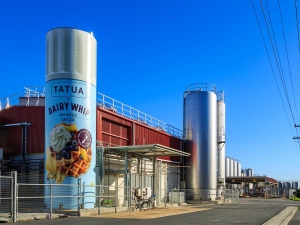
Waikato milk processor Tatua has again declared a record milk payout to farmer shareholders, leaving other processors in the dust.
A Labour-led Government won’t be bringing back the controversial freshwater rules of 2020.
National’s much-touted free trade deal with India featured in the Rural Issues Debate at Mystery Creek, Hamilton on Wednesday night.
New Zealand's 2026-27 freshwater fishing season has opened, with anglers encouraged to head to rivers and lakes over the coming days as conditions look favourable across much of the country.
Central Otago District Council (CODC) has voted against a plan to spread treated sewage sludge from Cromwell and Alexandra on farmland near Lauder, a decision Federated Farmers says reflects strong opposition from rural residents.
Pāmu has released its FY26 Integrated Annual Report, reporting a Net Operating Profit of $113 million, more than double the $49 million recorded in FY25.

OPINION: It seems Canterbury processor Synlait is still in the doldrums.
OPINION: Get offside with New Zealand First leader Winston Peters at your own peril.