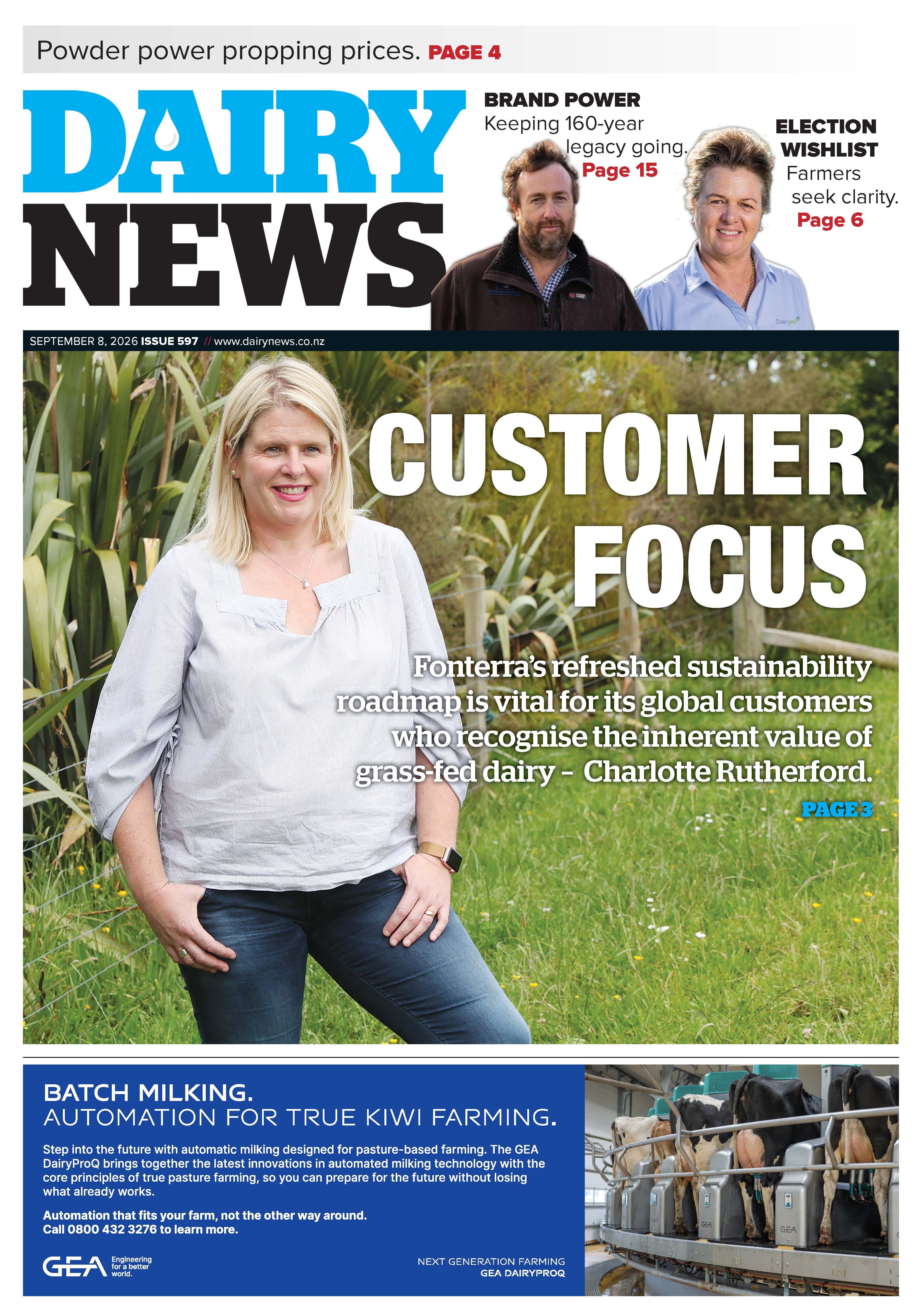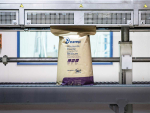
Milk Powder Prices Prop Up Farmgate Milk Price
Milk powder prices are keeping farmgate prices up, helping processors offset the dip in milk fat prices.




 increase font size
 ASB economist Nat Keall says the absence of Chinese demand remains the “the Panda in the room as each GDT goes by”.
The absence of Chinese demand for dairy continues to impact global prices.
Last week's Global Dairy Trade (GDT) auction saw prices remain flat.
Overall and whole milk powder prices remain down 19% and 20% respectively on the same time a year ago.
ASB economist Nat Keall believes prices have reached something of a floor for now after two positive auctions.
The absence of Chinese demand remains "the Panda in the room as each GDT goes by", he says.
Keall notes that the quantity of WMP purchased by 'North Asia' at each GDT remains far below the levels of twelve months ago and even further below the levels reached in early 2021 when aggressive Chinese demand sent prices skyrocketing.
"As we noted a fortnight ago, the drop isn't a function of changes in offer volumes on the GDT platform - the quantity of WMP bought by China has generally dropped more dramatically than any changes in the overall quantity sold.
"In concert with tight global supply, aggressive purchases by China helped fuel the massive gains in dairy prices we saw over early 2021, and then largely kept prices high over the first part of this year.
"The subsequent absence of strong Chinese demand has been sorely missed - our chart to the above right shows how the softening in the WMP price indices has tracked China's shrinking proportion of purchases."
China's Covid policy is the big swing factor in dairy prices.
Keall says the combination of decent Chinese dairy outputand wide-scale disruption to the food service industry from Covid restrictions, means the country can meet much more of its dairy consumption needs through local production.
But he notes that dairy prices do retain important supports in the form of prevailing tight global supply.
"We'd be quite bearish on the outlook if it weren't for the fact that production remains weak in most key regions.
"European production is managing some tentative year-on-year lifts, but that follows poor output all through the peak of the season.
"Here in NZ, we expect high input costs, difficulty securing workers and challenges around the compliance burden to keep output relatively constrained."
ASB is retaining its $9.40/kgMS farmgate milk price forecast for this season.
Milk powder prices are keeping farmgate prices up, helping processors offset the dip in milk fat prices.
A milk glut around the world shows no sign of easing, putting downward pressure on farmgate milk prices for the next few months.
China remains New Zealand’s biggest market, taking $23 billion of our exports, but it’s no longer a commodity story, says Prime Minister Christopher Luxon.
RaboResearch senior analyst Emma Higgins expects the 2026/27 dairy season to be another profitable one.
Fonterra is strengthening its foodservice presence in China with the launch of a new cream for professional bakeries at Bakery China 2026 in Shanghai.


Farmer-owned fertiliser company, Ballance Agri Nutrients is welcoming National’s plan to negotiate security agreements with key supplier countries to protect New Zealand-bound products from export restrictions and greater supply chain certainty.

Carrfields has announced the appointment of Stu Hall to the newly created role of chief operating officer, Carrfields Ltd, reflecting the continued growth of their agribusinesses and the need to ensure the company has the leadership capacity and support in place as it pursues the emerging opportunities ahead.
New Zealand's role is not to compete with Indian growers, according to NZ Apples and Pears.
The potato industry is celebrating the success of two rising stars - James Blair, the 2026 Young Grower of the Year and runner-up and innovation award winner, Amber Davy.
Twenty-eight emerging leaders from across the horticulture sector spent two days last month learning valuable skills and connecting with industry experts.
There are five entrants in this year’s Young Horticulturist of the Year, competing in a series of technical, practical, business and leadership challenges.

OPINION: It seems Canterbury processor Synlait is still in the doldrums.
OPINION: Get offside with New Zealand First leader Winston Peters at your own peril.