The Power of Refugia
Worms are present on every farm; it’s ensuring there are enough worms that are susceptible to drench within your farm system, through the use of refugia, that is a key tool in slowing the rise of drench resistance.




 increase font size
 Mineral supplementation is key to reducing clinical issues and enhancing productivity among calves.
As dairy farmers know all too well, the calving season brings with it significant nutritional demands on the herd.
Meeting these demands with effective and targeted mineral supplementation is key to reducing clinical issues and enhancing productivity.
CP Lime says that the use of its product Vitalise — a pelletised mineral supplement — is proving to be an innovative and practical solution for supporting herd health throughout this critical period.
Tackling clinical and sub-clinical deficiencies
Conditions like milk fever (hypocalcaemia), grass staggers (hypomagnesaemia), and facial eczema are prevalent across New Zealand dairy herds. Most farmers will experience at least one of these each season. While emergency supplementation during calving is standard practice, prevention is always preferable. Good mineral supplementation doesn’t just address visible health issues — it also supports cows at a sub-clinical level, helping maintain production and fertility even in the absence of outward symptoms. Waiting until blood tests reveal a deficiency often means the damage to milk production and long-term health has already been done.
Comprehensive nutritional support
Vitalise provides more than just calcium and magnesium. It can be custom- blended with essential trace elements like copper, cobalt, iodine zinc and selenium, depending on specific herd requirements and seasonal challenges such as mating or facial eczema risk periods.
For herds on fodder beet diets, Dicalcium Phosphate can be added to prevent low calcium and phosphate levels, a common risk.
Biotin can also be a useful addition for skin and hoof health, and yeast cultures to improve rumen health.
Monensin, another additive option, improves rumen function and supports optimal cow condition, reducing issues like ketosis and bloat while enhancing in-calf rates and protein production.
CP Lime says Vitalise’s pellet form ensures every cow receives an accurate dose, reducing waste and cost. Its versatility — from standard to custom blends — and seamless integration into in-shed systems make it an ideal tool for modern dairy farming. The company says is it 100% utilisable, ensuring accurate dosing either via a mineral dispenser or by preblending with your local feed supplier.
Worms are present on every farm; it’s ensuring there are enough worms that are susceptible to drench within your farm system, through the use of refugia, that is a key tool in slowing the rise of drench resistance.
A dairy industry leader believes eradicating the common and costly disease, Bovine Viral Diarrhoea (BVD) is within reach.
Farmers with high-quality feed available in late spring could consider weaning at least a proportion of their lamb crop early to benefit both lambs and ewes.
The first major update to the Dairy Cattle Code of Welfare in more than a decade has been released, marking what DairyNZ describes as an important step in ensuring animal welfare standards continue to evolve alongside scientific evidence and on-farm realities.
Bovine Viral Diarrhoea (BVD) is sometimes viewed as a dairy industry issue, but the reality is that the disease can have serious consequences for beef breeding herds as well.


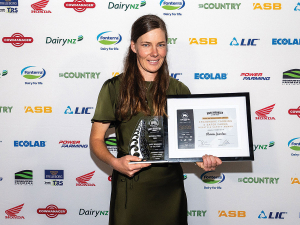
When dairy manager Miriam Lauridsen learned the farm, she was joining held weekly health and safety meetings, she initially thought that was “a bit over the top”. Experiencing that culture changed her mind.

Nominations are open for the 2027 Fonterra Dairy Woman of the Year Award.
Keeping up with pasture moisture demands is likely to be the key challenge for dairy farmers during this season’s El Niño weather pattern, says Blue Skies Weather & Climate Services meteorologist Tony Trewinnard.
Farmers have until the end of this week to help shape DairyNZ’s future focus.
Wayne McNee, chief executive of AgriZeroNZ, has resigned and will leave the organisation on 15 January 2027.
The New Zealand dairy sector set a record in the 2025/26 season, producing more than two billion kilograms of milksolids for the first time.
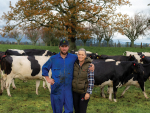


OPINION: It seems Canterbury processor Synlait is still in the doldrums.
OPINION: Get offside with New Zealand First leader Winston Peters at your own peril.