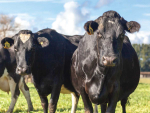
BCS Targets: Why Body Condition Score Matters at Calving
Body Condition Score (BCS) is a critical element in managing the health and reproduction of the dairy herd.




 increase font size
 A completely redesigned user interface now displays key information in a clearer and more accessible manner.
At the heart of the SmaXtec system is the ability to monitor animal health, including early disease detection, alongside reproduction issues such as heat identification, optimal insemination windows, calving notifications-on average 15 hours before the eventalongside abortion detection and fertility issues.
Centred around a onetime administered, lifetime bolus, the device monitors body temperature and drinking behaviour, looking at both frequency and intake volumes. Other key indicators monitored include rumination, via reticulum contractions, general movement activity and optional reticulum PH monitoring.
Collected data is passed seamlessly to a Base Station, where an integral climate sensor provides additional information on ambient temperature, humidity, and atmospheric pressure. The combined data stream is moved to The Cloud, to be analysed by Artificial Intelligence (AI) alongside long-standing , proven and evolving algorithms.
Recognising every dairy farm is unique, SmaXtec has recently updated its health management offering to deliver even more personalised, intuitive, and efficient notifications.
The latest software known as smaXtec Web fits seamlessly into daily dairy operations, with an AI-powered digital assistant.
The system helps farmers keep an eye on their animals and simplifies everyday tasks on the pasture, with automatic reports, practical lists, and clear actions and recommendations.
A completely redesigned user interface now displays key information in a clearer and more accessible manner, with easier to interpret graphs making navigation more straightforward and significantly improved usability. A quick glance at the dashboard offers new updates, such as: Which cows are due for hoof trimming? Which freshly calved animals need special attention, and potential mastitis cases are also automatically listed. Farmers not only see which animals are affected but also receive concrete action recommendations from the AI-powered digital assistant, such as performing a CMT test.
Body Condition Score (BCS) is a critical element in managing the health and reproduction of the dairy herd.
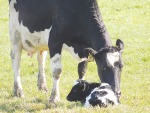
Giving calves the best possible start to life has been shown to boost growth and resilience.
The first weeks of a calf's life quietly shape the future of the entire herd.
In calf rearing, the smallest details often have the biggest impact. While feed and genetics remain critical, bedding is increasingly recognised as a key driver of calf health, growth, and overall performance.
For decades, probiotics in calf rearing have been treated as a reactive tool – something to reach for when illness strikes. That thinking, according to Matt Collier of Probiotic Revolution, is leaving significant money on the table.


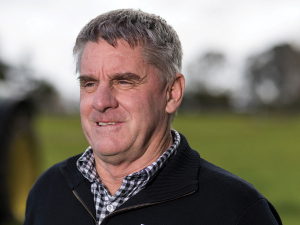
Federated Farmers has welcomed new rural policies released by ACT, saying they align closely with its own election priorities.

Rural Contractors NZ says proposed changes to land transport rules for agricultural vehicles are a welcome response by the Government to out of date regulations which have seen members hit with huge fines.
Alliance is calling for final applications for its 2027 Graduate Programme, with applications closing on Sunday 25 October.
Decades piloting planes has ensured vet and farmer David Hayes is focused on safety. So, after a serious accident while welding on farm, he is sharing his experience so others can learn from it.
Canterbury milk processor, Synlait Milk has confirmed Leon Fung as its chief executive officer.
OPINION: Making it easier to collect rainwater and use it to grow crops and livestock is a no brainer.



OPINION: It seems Canterbury processor Synlait is still in the doldrums.
OPINION: Get offside with New Zealand First leader Winston Peters at your own peril.




