New Zealand and Ireland Extend $34.5m Climate Research Partnership for Agriculture
Ireland and NZ have concluded a deal to extend a joint research programme on climate change.




 increase font size
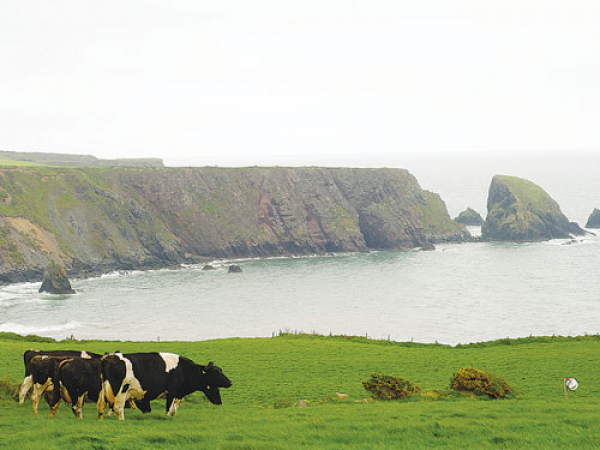 The latest outlook report by Teagasc warns of continued financial concerns for Irish farmers due to high cost pressures on fuel, feed and fertiliser.
Irish farmers are facing some hard times this season.
The latest outlook report by Teagasc, the semi-state authority in Ireland responsible for research and development, warns of continued financial concerns for Irish farmers as high costs exert pressure on 'the three Fs': fuel, feed and fertiliser.
Teagasc says along with other sectors of the economy, Irish farmers are also faced with considerable uncertainty about input price inflation, which impacted production decisipns. This they say is driven mainly by Russia's illegal invasion of Ukraine, which had on-the-spot consequences for the fuel, feed and fertiliser markets.
Teagasc says Irish farmers are feeling the biggest financial squeeze from soaring fertiliser costs, which have more than doubled, fuel prices up by 50% and feed prices rising by 33%. It says high input costs have negated any benefit from expected higher incomes.
"Overall, significantly higher production costs across all sectors in 2022 are expected in 2023 - widening the gap between the cost of production for farmers and what they are being paid," says Teagasc.
It says while the average farm income is up considerably, the increase is entirely driven by the strong performance of the dairy sector, which is likely to be up by 50%. But it concludes that the dairy sector outlook for 2023, however, is less than positive.
Ireland and NZ have concluded a deal to extend a joint research programme on climate change.
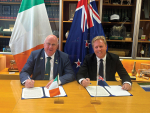
Ireland's Minister of state for Agriculture says it’s hard to explain to Irish farmers the size and scale of NZ farms.
The Irish Minister of State for Rural Communities says his country and New Zealand face very similar challenges on a range of issues related to agriculture, including climate change, biodiversity and rural depopulation.
In the rural landscapes of New Zealand and Ireland, a shared agricultural heritage thrives, built on a strong mixture of tradition and innovation, with mirror image climates earning both countries global acclaim for their food quality and sustainable agriculture.
A New Zealand/Ireland joint research programme, launched last month, aims to better understand methane emissions from pasture-based farm systems.


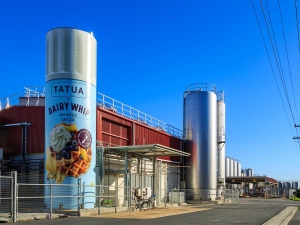
Waikato milk processor Tatua has again declared a record milk payout to farmer shareholders, leaving other processors in the dust.

A Labour-led Government won’t be bringing back the controversial freshwater rules of 2020.
National’s much-touted free trade deal with India featured in the Rural Issues Debate at Mystery Creek, Hamilton on Wednesday night.
New Zealand's 2026-27 freshwater fishing season has opened, with anglers encouraged to head to rivers and lakes over the coming days as conditions look favourable across much of the country.
Central Otago District Council (CODC) has voted against a plan to spread treated sewage sludge from Cromwell and Alexandra on farmland near Lauder, a decision Federated Farmers says reflects strong opposition from rural residents.
Pāmu has released its FY26 Integrated Annual Report, reporting a Net Operating Profit of $113 million, more than double the $49 million recorded in FY25.


OPINION: It seems Canterbury processor Synlait is still in the doldrums.
OPINION: Get offside with New Zealand First leader Winston Peters at your own peril.