
Lanaco and Blueair Launch World-First NZ Wool Air Filter
New Zealand wool is reaching new heights as air filtration companies move away from synthetic products to biodegradable alternatives.



 increase font size
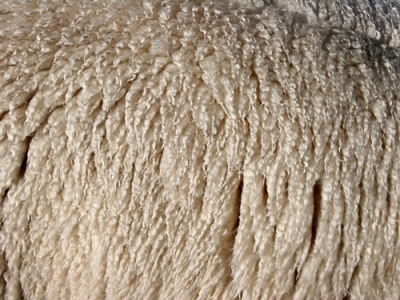 The strong dollar, restricted off-shore interest and high volumes of one wool category on offer this week saw local prices ease.
The strong dollar, restricted off-shore interest and high volumes of one wool category on offer this week saw local prices ease.
New Zealand Wool Services marketing executive, Malcolm Ching says of the 12,180 bales on offer from the predominantly short second shear wools in the North Island, 77% sold.
The weighted currency indicator compared to the previous weeks' auction lifted 0.65%.
Ching advises that compared to the similar offering of North Island wools on June 9:
Fine crossbred shears were 2 to 4% cheaper.
Coarse crossbred full fleece were firm to 3.5% easier.
Coarse shears were down 3 to 6% with the shorter types affected the most.
Short first lambs were 2 to 4% softer.
Coarse short oddments were 2.5 to 5.5% cheaper.
There was limited interest with Australasia, Western Europe, United Kingdom principals, supported by India, Middle East and China.
The news sale on June 30 comprises about 11,300 bales from the South Island.
New Zealand wool is reaching new heights as air filtration companies move away from synthetic products to biodegradable alternatives.
Will a stronger, more coordinated voice help rebuild confidence and improve returns in the wool sector?
OPINION: Confidence in the wool sector is rebounding as prices hit levels not seen in more than 15 years.
The recently signed free trade agreement with India is an invitation to strengthen relationships between the New Zealand and Indian strong wool industries, says Wool Impact chief executive Andy Caughey.
Strong competition and tightening supply have seen wool reach its highest prices paid at auction since 2011.


Good medium to long term prospects for NZ beef, especially in the US, has heighted the focus on various initiatives to capitalise on this situation.
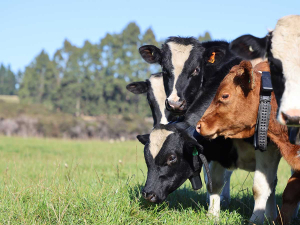
High country stations, mixed sheep and beef farms, Māori-owned farms, corporates and family operations are among the nine commercial farms taking part in the Livestock Innovation Farming Transformation programme, known as LIFT.
OPINION: New health and safety guidance unveiled by the Government recently provides farmers greater certainty about what is expected of them when managing risks on farm.
The National Animal Welfare Advisory Committee (NAWAC) is seeking public feedback on proposed changes to the Code of Welfare for Rodeos.
A New Zealand initiative supporting farmers to restore the health of grazing landscapes has received international backing through the Regenerative Fund for Nature, a global collaborative fund supporting regenerative agriculture and the communities that produce natural fibres for the fashion industry.
Combine premium New Zealand products, blend in a family ritual and what do you get? A world-class functional drink.

OPINION: The same mainstream media muppets that brought you Jacindamania in 2017 have been flat out pimping for the Opportunities…
OPINION: Your old mate reckons the atrocious way farmers in the UK are treated by their lords and masters in…




