


Not Out of the Woods Yet
OPINION: It seems Canterbury processor Synlait is still in the doldrums.




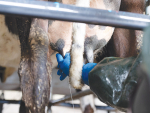
A vaccine, claimed to be the first specific product against Streptococcus uberis, the most common cause of environmental mastitis in New Zealand, was launched here last month.
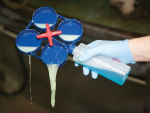
Mastitis is an inflammation of the udder. In cows, it is usually caused by bacteria which have entered through the teat canal and moved to the mammary tissues.

An on-farm trial using new testing technology shows around half of high somatic cell count (SCC) cows could be positive with serious undetected Staphylococcus aureus infections.
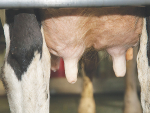
Properly detecting mastitis is a very important part of both control and treatment.
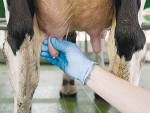
Mastitis is the inflammation of the mammary gland which generally occurs as a result of white blood cells being released – the body’s response to invasion by bacteria, usually via the teat canal.
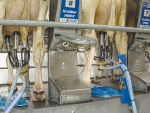
Operating in conjunction with automatic cluster removal (ACR) and gently supporting the cluster, Lactalign is a relatively simple retrofitted device designed to counter the often-costly impact of uneven weight and vacuum distribution of a traditional milking cluster.
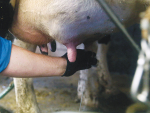
Mastitis is the result of complex interaction between bacteria, the farmer, the milking machine and the cow.
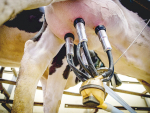
Clinical cases of mastitis are costly and significantly disrupt the milking routine.

CRV is encouraging dairy farmers to carefully consider the bulls they select for mating this season to help them address ongoing herd health issues like mastitis and reduce the need for antibiotics.

Hawke's Bay dairy farmer Rose Galloway rejects any suggestion that mastitis in cows isn't contagious. A trained nurse, Galloway and her family milk 550 cows near Norsewood and says mastitis is caused by pathogens entering the cow's udder through the teat canal and can pass onto other cows. She explains:
OPINION: It seems Canterbury processor Synlait is still in the doldrums.
OPINION: Get offside with New Zealand First leader Winston Peters at your own peril.

