


Not Out of the Woods Yet
OPINION: It seems Canterbury processor Synlait is still in the doldrums.




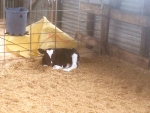
Winter weather has returned with a vengeance, and many farms will now be calving cows in these conditions.
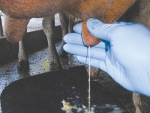
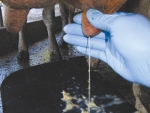
Farmers may be missing out on animal health benefits because there is insufficient culture testing to find out what bugs are causing mastitis.
The last significant in-season drop in the price of milk to suppliers was in 2008, and that doesn't take a long memory to recall: it is hardly ancient history.
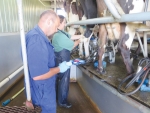
Mastitis remains the biggest dairy disease for farmers.
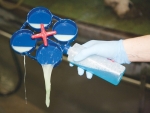
While farmers prepare their herds for mating they should keep the milking team focused on preventing mastitis says Dairy Australia's animal health and fertility programme manager, Dr Kathryn Davis.
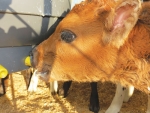
After calving, heifers often suffer discomfort with swollen udders (oedema) and may be more difficult to move, handle and milk out.
For cows, the calving period (2 weeks before calving until 2 weeks after) is the highest risk period for new mastitis infections, and wet conditions significantly increase that risk.

Figures from DairyNZ suggest the average New Zealand dairy farm spends around $54,000 annually on the battle against mastitis.
A nationwide study to evaluate the effectiveness of a vaccine in controlling mastitis in dairy cattle is well underway and preliminary results are positive.
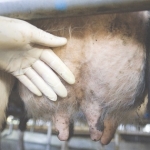
To avoid the cost, hassle and cow discomfort of mastitis in your herd, here are some preventative measures.
OPINION: It seems Canterbury processor Synlait is still in the doldrums.
OPINION: Get offside with New Zealand First leader Winston Peters at your own peril.

