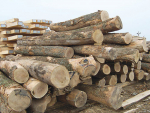
Foresters cut up by new campaign
The Forest Owners Association is decrying the latest Kiwis Backing Farmers campaign as "climate change responsibility denial".




 increase font size
 Lobby Group 50 Shades of Green says rural people are greatly concerned by the rapid change of land use from sheep and beef production into blanket planting pine trees.
Member of lobby group 50 Shades of Green, Mike Butterick on what the group is standing for in 2020.
What an extraordinary nine months since the first meeting in the Wairarapa of people concerned with the rapid change of land use from sheep and beef production into blanket planting pine trees.
It’s been quite the journey; our conclusion is a lack of strategic thinking and a reluctance to get out from behind Wellington desks has driven some bizarre decision making delivering perverse outcomes for NZ Inc. NZ farming won’t be digging itself out of these impacts with production gains.
We are opposed to the sale of good productive agricultural land to subsidised forestry in the way of carbon credits. In our view, it’s undermining all kiwis’ short- and long-term wealth and wellbeing.
The blatant attack on the culture of the sheep and beef industry, which produces 48% of the country’s agricultural export income, is abhorrent.
The Paris agreement, to which we are signatories, states we should ‘increase the ability to adapt to the adverse impacts of climate change and foster climate resilience and low GHG emissions development in a manner that does not threaten food production’.
We can tick things off in terms of lowering GHG emissions development, but for every hectare of hill country lost we threaten food production in this country.
As recently as this month, the release of the climate change school curriculum resource is explicit in its ‘eat less meat’ messaging and misinformation about New Zealand agriculture’s contribution to global warming.
Where is the balance?
The appreciation for a sector that in embracing change has consistently produced a product with an advantage on the global stage is sadly lacking. A competitive advantage under threat of being replaced with an orchestrated subsidy driven by carbon investors filling their pockets, with sheep & beef production the sacrificial lamb.
The farming sector with a genuine ethical intent accepts change is needed. This is happening now and has been for much longer than is depicted.
For every hill country farm taken out of production there is a flow-on effect that eventually will impact all New Zealand. The sooner New Zealander’s understand carbon offsetting with trees is a folly the better. While conveniently laundering emissions, it will not achieve any change in behaviour, worse; it will deliver adverse environmental outcomes and significant social and economic outcomes.
These costs borne, initially by the provinces, will hit ultimately the wider community.
What is humbling is the widespread supportfrom all walks of life for 50SOG advocacy, of people equally concerned for the long-term future of the industry and who have a clear sense that allowing carbon investors to buy up quality hill country farms to plant in pine is a ‘get out of free’ card. The trees may be sequestering carbon; they are not feeding people nor supporting rural communities
We encourage right tree right place, but not where the cost to NZ is land converted from food to pine.
To see more balanced reporting celebrating the continued improvements to NZ farming systems would be a better start.
If you would like to support 50 Shades of Green in its advocacy please contribute to our campaign costs at https://www.50shadesofgreen.co.nz/become-a-supporter
• Wairarapa farmer Mike Butterick is a member of lobby group 50 Shades of Green
The Forest Owners Association is decrying the latest Kiwis Backing Farmers campaign as "climate change responsibility denial".
A 'national forum' of rural industry advocates is set to be held later this month.
Andy Scott, chair of 50 Shades of Green explains why many farmers are concerned with new government policies.
OPINION: There’s some agitation out there at the moment about farming being under threat from forestry. Much of what’s circulating is based on misinformation so it’s time to lay out the facts.



Rural Contractors NZ says proposed changes to land transport rules for agricultural vehicles are a welcome response by the Government to out of date regulations which have seen members hit with huge fines.

Alliance is calling for final applications for its 2027 Graduate Programme, with applications closing on Sunday 25 October.
Decades piloting planes has ensured vet and farmer David Hayes is focused on safety. So, after a serious accident while welding on farm, he is sharing his experience so others can learn from it.
Canterbury milk processor, Synlait Milk has confirmed Leon Fung as its chief executive officer.
OPINION: Making it easier to collect rainwater and use it to grow crops and livestock is a no brainer.
As part of its Election 2026 coverage, Rural News asked political parties how they would help pull the arable sector out of the doldrums. Here's what they said:




OPINION: The same mainstream media muppets that brought you Jacindamania in 2017 have been flat out pimping for the Opportunities…
OPINION: Your old mate reckons the atrocious way farmers in the UK are treated by their lords and masters in…




