OPINION: It looks like, following this year's general election, a number of farmers will be trading in their gumboots for the hallowed halls of Parliament.
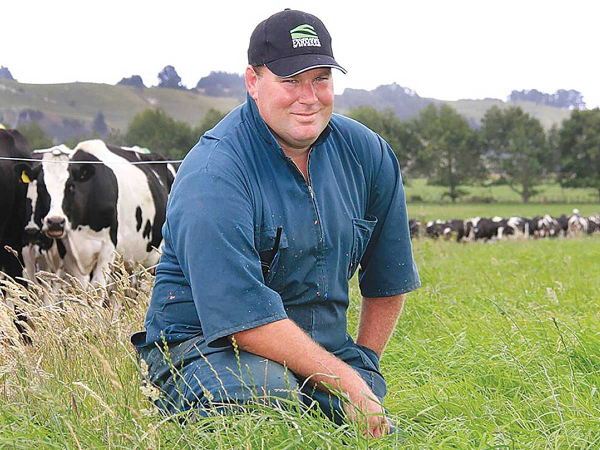
News that former Feds president Andrew Hoggard is standing for the ACT Party means he joins a number of other farmers throwing their hats into the ring for higher political office. This includes former Feds meat and wool section chair Miles Anderson as National's candidate for Waitaki, former Feds Wairarapa meat and wool chair Mike Butterick standing for National in Wairarapa and former Northland president Grant McCullum for National in the Northland seat.
It is also expected that former NZ First MP Mark Patterson will stand again. The Otago farmer served one term in Parliament but was voted out in 2020 when NZ First failed to get re-elected.
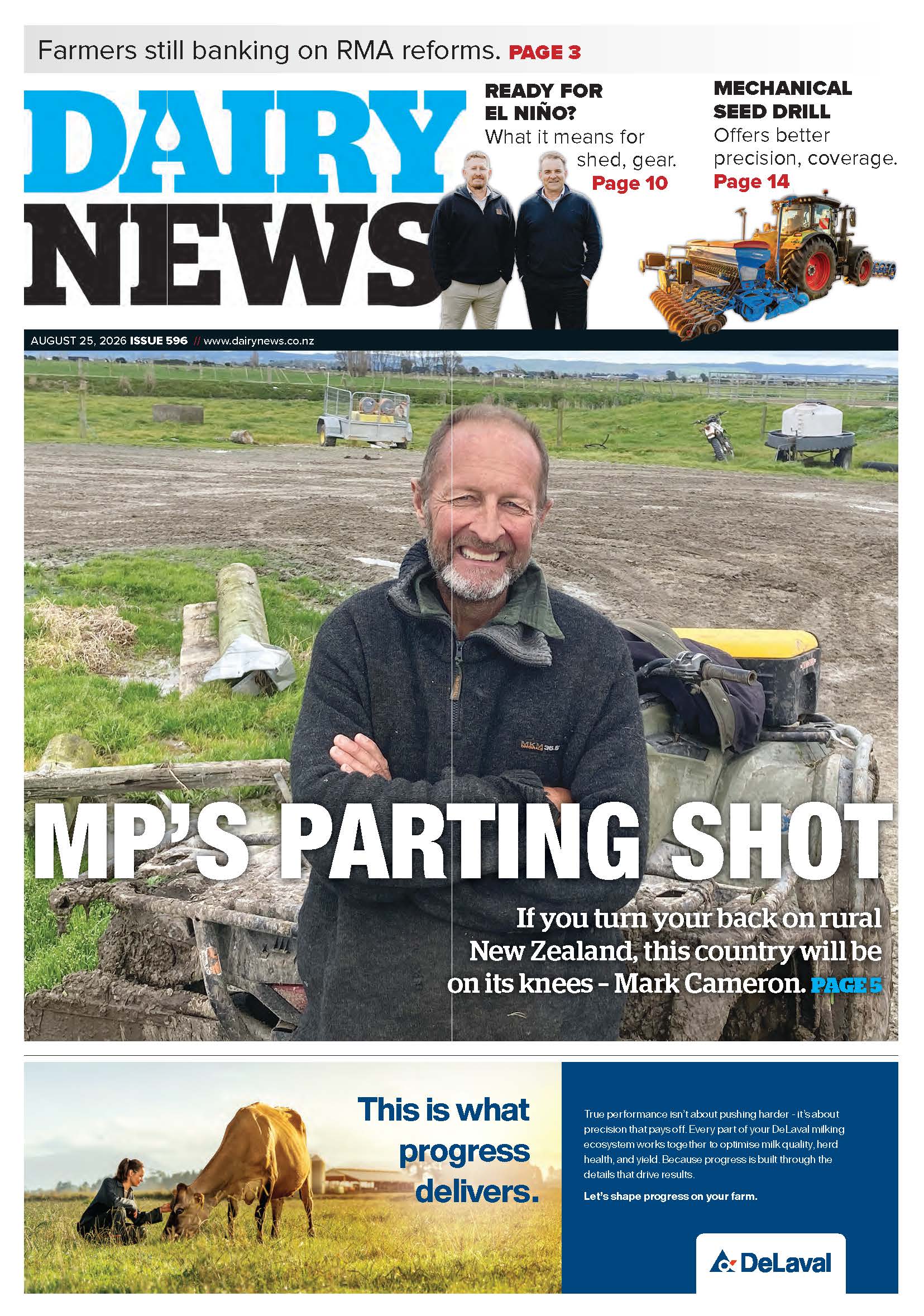
Current MPs with farming backgrounds who are also expected to recontest this year's election include Labour's current Minister of Agriculture Damien O'Connor and ACT's Mark Cameron.
Unsurprisingly, both the Green Party and the Māori Party have no farmer candidates yet and are highly unlikely to do so.
Much has been made of Hoggard's choice to go with ACT, rather than National - often considered the home of the rural vote. His move will be an interesting aside to see if it impacts on how farmers vote.
However, no matter what political stripes these farmer candidates are standing for, it is good news that the farming sector will be better represented in the next Parliament. If the last six years have taught us anything, it is that lack of knowledge and understanding of the farming sector has seen a number of policies imposed on the sector that have been detrimental to it and the country as a whole. More farmers in Parliament, debating and scrutinising policies that impact the agriculture sector, has to be a good thing.
Parliament is meant to be a house of representatives and the farming sector has been poorly represented in the past few years. Anything that helps redress this is not only good for democracy but good for the country's all important primary sector.